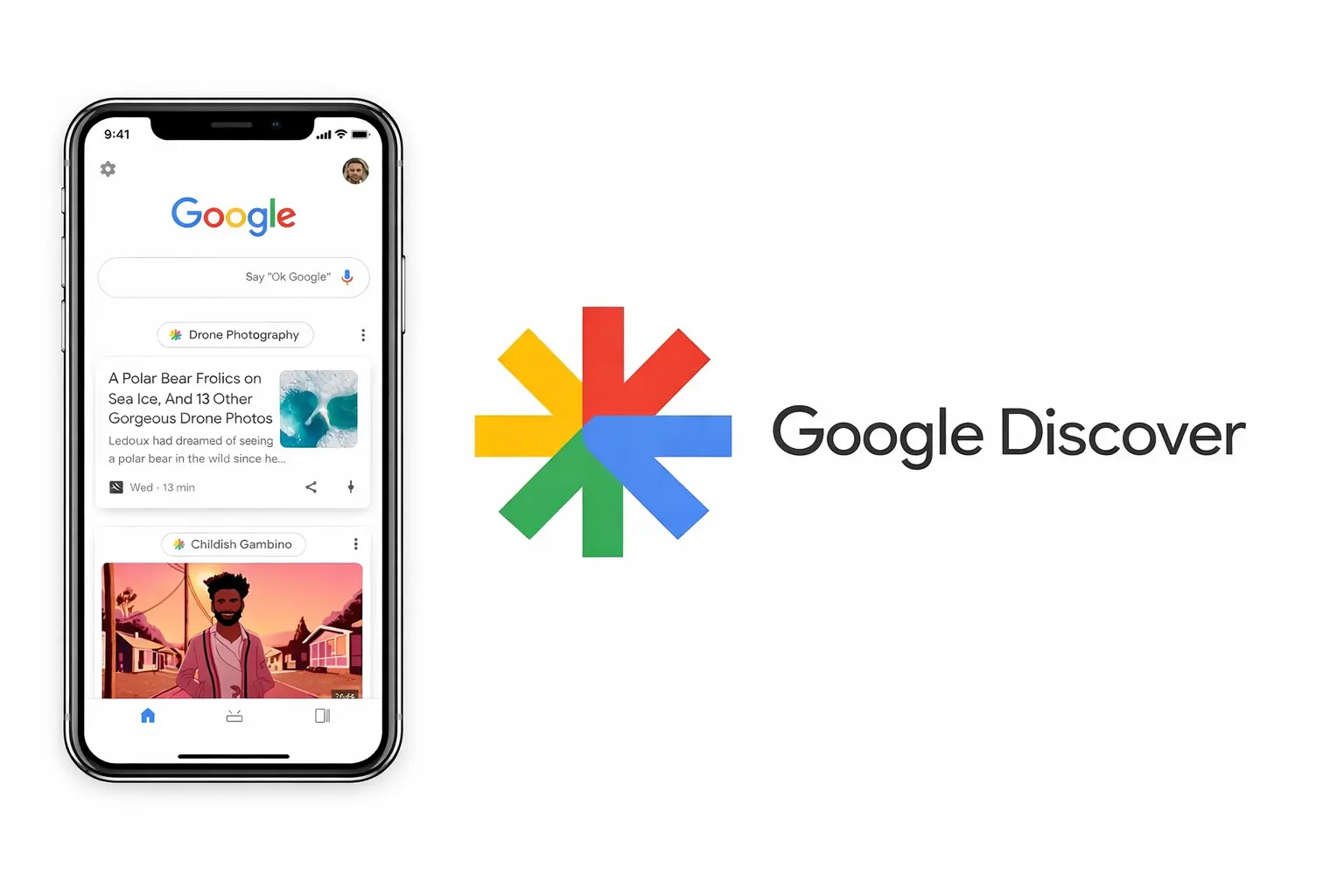
Google Discover has become one of the most powerful traffic sources for publishers, bloggers, and digital marketers. Unlike Google Search, where users type queries, Discover automatically shows content based on user interests, behavior, and location.
In February 2026, Google rolled out a major update called the Google Discover Core Update, focused only on the Discover feed. This update did not affect normal search rankings directly, but it changed how content is selected, ranked, and shown inside Discover.
The main goal of this update is to improve content quality, relevance, and trust. Google now wants Discover to feel more personal, more useful, and more reliable for users. In this article, we will explain what this update is about, what has changed, and how it impacts rankings compared to earlier Discover behavior.
What Is Google Discover?
Google Discover is a personalized content feed available on:
- Google mobile app
- Android home screens
- Mobile Chrome (for some users)
Users do not search for anything. Instead, Google predicts what content they may like based on:
- Past searches
- Browsing history
- Location
- Interests
- Engagement patterns
Because Discover works automatically, a single article can receive thousands of visits within hours if it performs well. That is why Discover updates are extremely important for publishers and marketers.
What Is the February 2026 Discover Core Update?
The February 2026 update is different from normal Google core updates. It is focused only on Discover, not on search results.
This update improves how Google evaluates content in Discover using three major signals:
- Local relevance
- Content authenticity (no clickbait)
- Topic-based expertise
Instead of pushing viral or sensational content, Google is now prioritizing content that is genuinely useful, trustworthy, and relevant to the user’s location and interests.
Key Changes Introduced in the February 2026 Discover Update
1. Stronger Focus on Local and Regional Content
Google Discover is now more location aware. This means users are more likely to see content related to:
- Their city
- Their state
- Their country
- Nearby events and issues
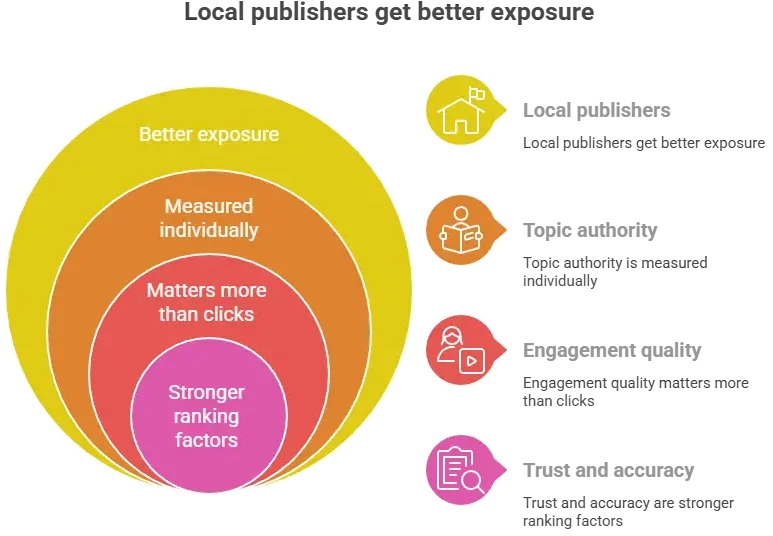
Local news websites and regional blogs now have better chances of appearing in Discover feeds compared to earlier, when national or global content dominated.
2. Reduction of Clickbait and Sensational Headlines
Clickbait-style headlines are now being demoted in Discover. Headlines that exaggerate or mislead users may still get impressions, but their visibility is reduced.
Google now prefers headlines that are:
- Clear
- Accurate
- Honest
- Direct
This change improves user trust and reading experience.
3. Topic-by-Topic Expertise Evaluation
Earlier, Google often judged websites. Now, Discover evaluates expertise topic by topic.
For example:
- A website that regularly publishes quality content on SEO may perform well for SEO-related Discover content.
- The same site may not perform well in health or finance unless it shows depth and consistency in those topics.
This change benefits niche publishers and focused blogs.
Why This Update Matters: Ranking Impact Before vs Now
This section replaces the earlier general explanation and focuses clearly on ranking behavior.
Before the February 2026 update, discover rankings were heavily influenced by:
- Virality
- Trending topics
- Aggressive headlines
- Large publishers
Now, discover rankings are more structured, fair, and quality-driven.
How Discover Rankings Worked Before the Update
Earlier Discover ranking behavior had some common patterns:
- Big media brands dominated visibility
- Clickbait headlines often performed well
- Local content struggled unless it went viral
- Thin content sometimes received high clicks
- Authority was judged broadly, not by topic
This created instability. Many publishers saw sudden traffic spikes followed by sharp drops.
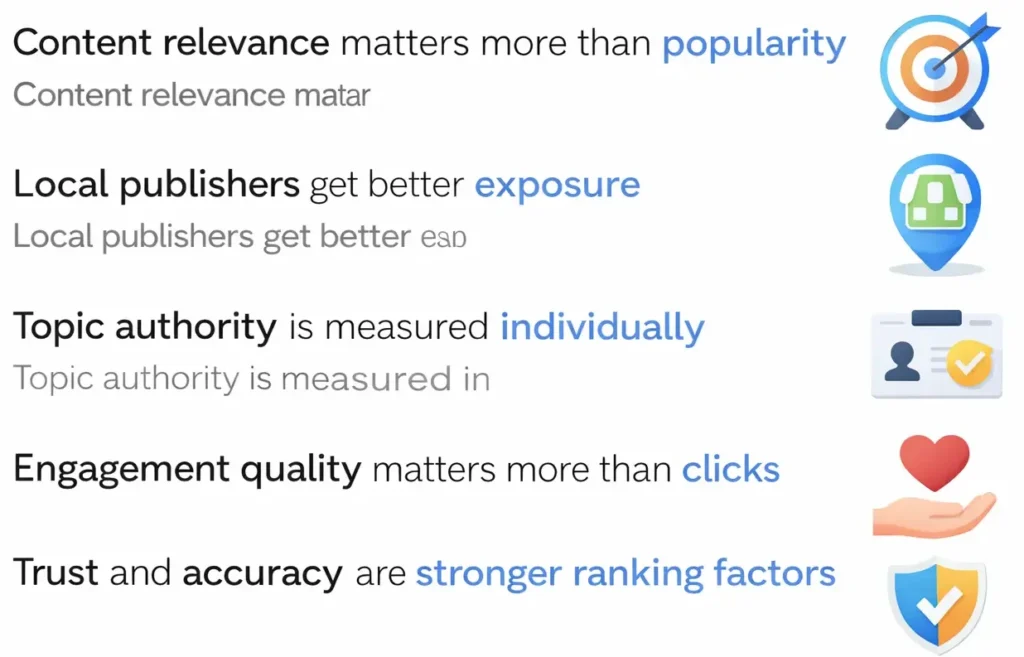
How Discover Rankings Work After the February 2026 Update
After the update, ranking signals are more refined:
What Positive Changes This Update Brings
The February 2026 Discover Update has several long-term benefits:
1. Fair Ranking Environment
Small and medium publishers now have a fair chance to compete if their content is relevant and useful.
2. Better User Experience
Users see content that matches their location and interests, reducing irrelevant articles.
3. Long-Term Traffic Stability
Publishers who focus on quality may see fewer sudden traffic drops.
4. Growth for Local and Regional Websites
Local news, city blogs, and regional language sites are among the biggest winners.
How Publishers Can Benefit More from This Update
To gain maximum advantage, publishers should align with the new ranking signals.
Key focus areas include:
- Writing content for a specific audience
- Building authority in one or two niches
- Avoiding misleading headlines
- Updating old content regularly
- Improving mobile performance
This is where professional SEO guidance becomes important.
Working with an experienced SEO service provider like Mox SEO can help publishers adapt faster. MoxSEO supports content optimization, Discover-focused SEO strategies, and technical improvements that align with Google’s latest ranking systems.
Discover Ranking Comparison: Before vs After
| Factor | Before February 2026 | After February 2026 |
| Headline Style | Clickbait worked well | Clear and honest headlines rank better |
| Local Content | Limited visibility | Strong boost for local relevance |
| Authority | Site-wide authority | Topic-by-topic expertise |
| Traffic Pattern | Sudden spikes and drops | More stable growth |
| Small Publishers | Struggled to compete | Better chances to rank |
| Content Depth | Not always required | In-depth content preferred |
This comparison clearly shows that the update rewards quality and consistency.
Role of SEO in Discover Rankings
Even though Discover is not keyword-based like search, SEO still plays a major role.
Important SEO factors for Discover include:
- Website speed
- Mobile usability
- Structured content
- Clear author profiles
- Image optimization
- Trust signals
Publishers who combine good content with strong SEO foundations are more likely to succeed.
Common Mistakes to Avoid After the Update
Despite positive changes, some mistakes can hurt Discover rankings:
- Overusing sensational language
- Publishing copied or rewritten content
- Posting very short articles without value
- Ignoring local context
- Using low-quality images
- Focusing only on traffic, not usefulness
Avoiding these mistakes is essential for long-term growth.
Future of Discover After 2026
This update clearly shows Google’s direction:
- Discover will become more personalized
- Local relevance will grow further
- Topic authority will matter more
- Trust and accuracy will be non-negotiable
Publishers who adapt early will have a strong advantage.
Conclusion
The February 2026 Google Discover Core Update is a positive step for the content ecosystem. It reduces
Conclusion
The February 2026 Google Discover Core Update marks a clear shift toward quality, relevance, and topic-based expertise. Instead of rewarding viral tactics or sensational headlines, Google now prioritizes trustworthy, locally relevant, and genuinely useful content.
Compared to earlier Discover behavior, rankings are now more stable, more structured, and more supportive of niche and regional publishers. This creates a fair opportunity for websites that consistently deliver value.
To adapt successfully, publishers need a focused strategy built around topic authority, content depth, mobile optimization, and Discover-friendly SEO signals. This is where experienced professionals like MoxSEO can make a difference, offering strategic guidance aligned with Google’s evolving Discover algorithms.
If you want to strengthen your Discover visibility and build long-term traffic stability, you can explore our services on the homepage or contact our team for a personalized Discover growth strategy.
FAQs
1. What is the February 2026 Google Discover Core Update?
It is a major update that changes how content is selected and ranked inside Google Discover.
2. Does this update affect Google Search rankings?
No, this update mainly impacts the Discover feed, not regular search results.
3. Why is local content getting more importance in 2026?
Because Google wants to show users content that matches their location and nearby interests.
4. Are clickbait headlines still working on Discover?
No, clickbait and misleading headlines are now being demoted.
5. What does “topic-by-topic expertise” mean?
It means Google checks how strong your content is in a specific topic, not your whole website.
6. Which websites can benefit most from this update?
Local news sites, regional blogs, and niche publishers can benefit the most.
7. What type of content performs best on Discover now?
Useful, original, well-written, and locally relevant content performs best.
8. How important are images for Discover ranking?
Very important, because Discover is highly visual and images impact click-through rate.
9. How can publishers improve Discover performance after this update?
By focusing on quality, honest headlines, strong topic authority, and better mobile experience.
10. Can SEO services help improve Discover visibility?
Yes, SEO experts like MoxSEO can help optimize content, structure, and technical SEO for better Discover growth.