
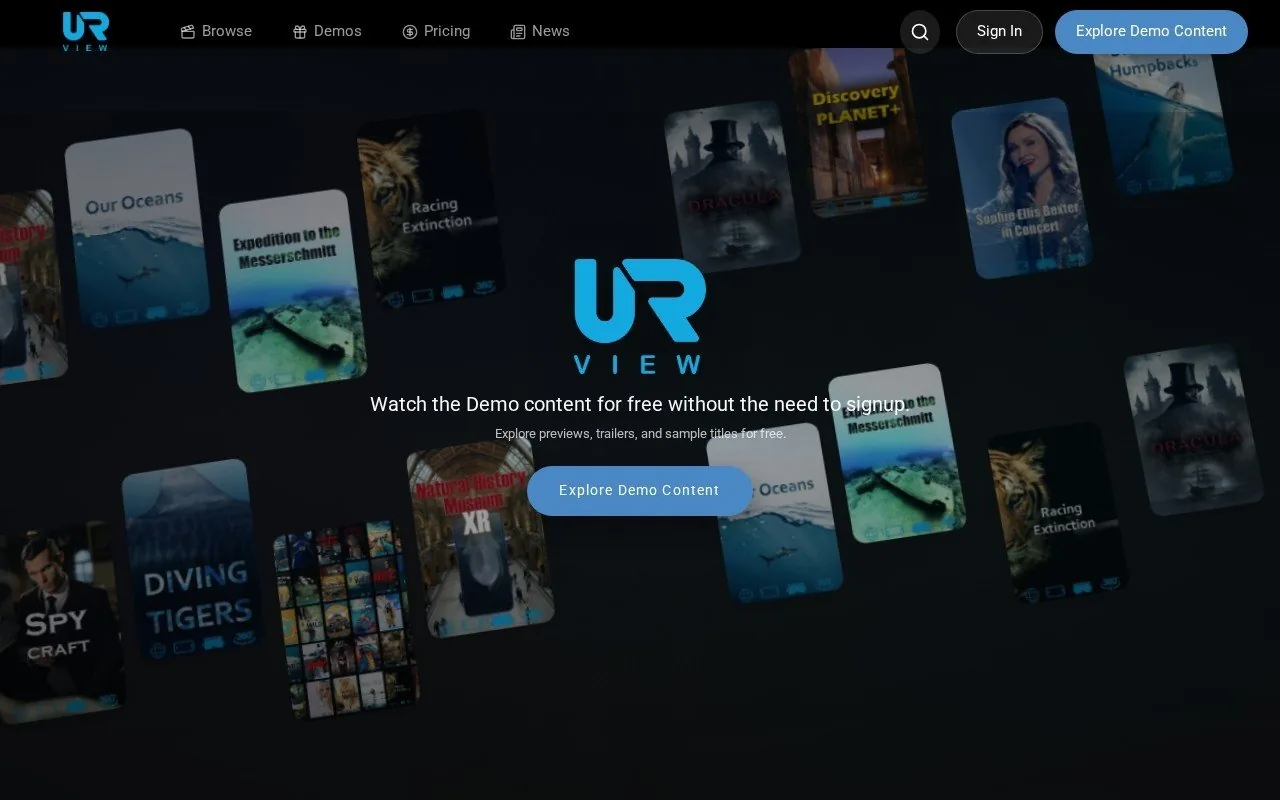
URview: interactive streaming platform
3,000+ platform signups attributed to organic search in six months.
Search engineering,
end to end.
26 services across SEO, digital marketing and web development, run by the people who sign the work.
All services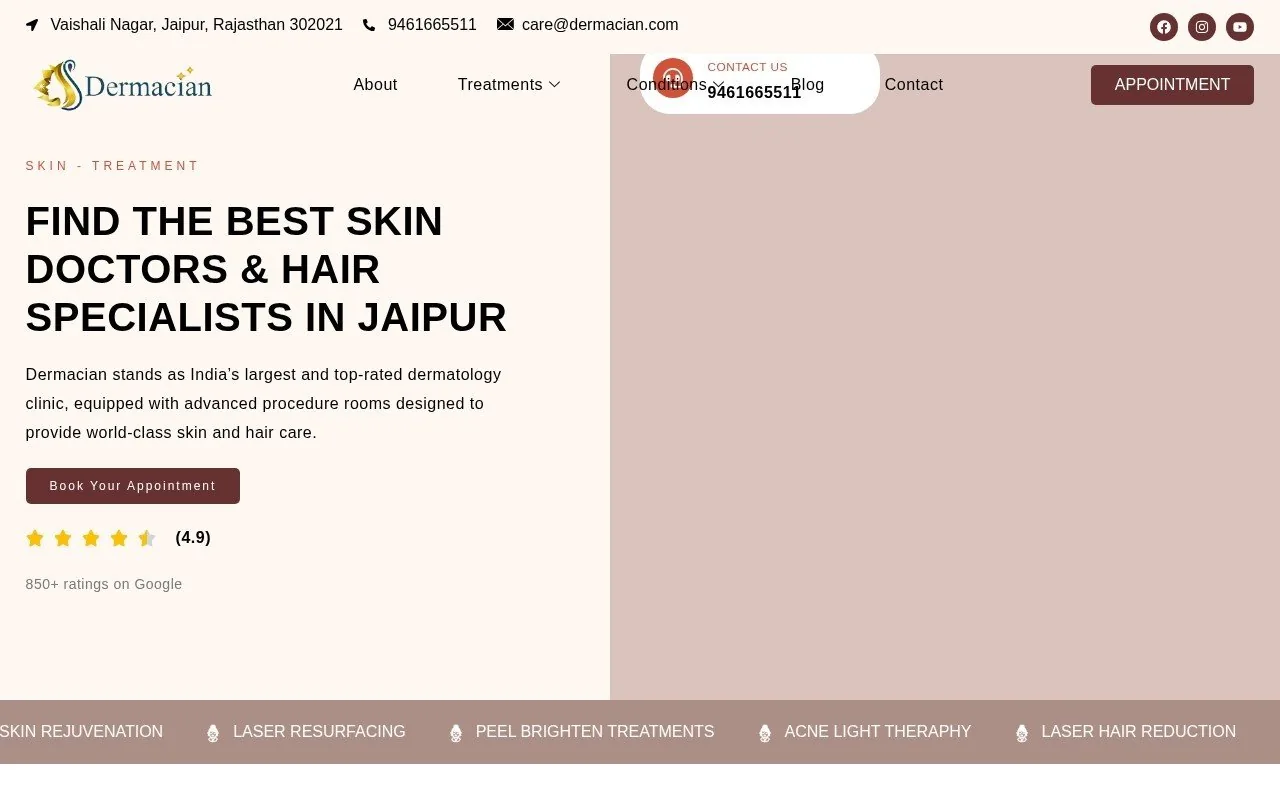 +340%
organic patient growth for Dermacian, a dermatology clinic
Markets where
accuracy is the job.
Each market has its own review standards, page types and measurement limits. We plan around them from day one.
All industries Healthcare & MedTech
Clinical review, accurate provider facts, proportionate claims.
 FinTech
Fees, rates and the regulated entity stated plainly and dated.
 B2B SaaS
Category, use-case, integration and security pages with distinct jobs.
 Ecommerce & marketplaces
Rules for filters, stock states, sellers and reviews.
 Legal & law firms
Jurisdiction, attorney involvement and advertising rules.
24 free tools.
No signup.
Can AI search quote your page? Paste a URL and the extractability checker scores it against nine structural checks.
All 24 toolsAI search 8
Technical 9
Entity 4
Local and global 3
Named people.
Published method.
Sakshi Kumari and Ashish Khan run MoxSEO's search work and sign the research they publish.
Meet the teamMyRIDI Mobility platform SEO case study
MyRIDI, an urban mobility platform, was visible for its own name but needed useful non-branded search surfaces while competing with established mobility platforms. MoxSEO built route content architecture, localized fare information, app-store alignment and voice-answer structure, with measurement and release validation underneath. The case reports 800K+ organic impressions in the first year.
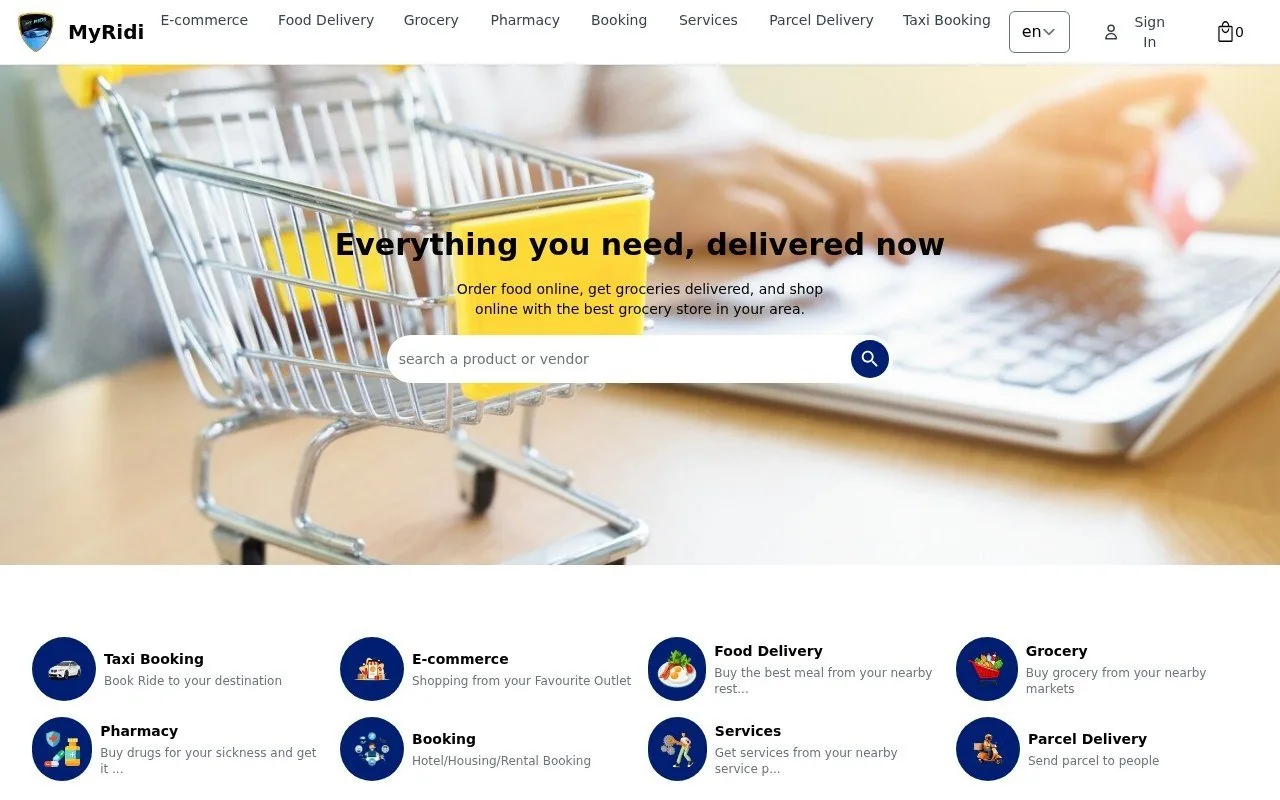
MyRIDI needed useful non-branded search surfaces beyond its name, while competing with established mobility platforms. People who already knew the brand could find it. People searching for a ride, a route or a fare were not yet meeting it.
Each area was implemented as part of the documented project scope and reviewed against the relevant search and customer journey. Measurement setup and release validation ran underneath all four.Order follows the case study. Artifacts are illustrative templates, not client files.
Pages organised around the cities and routes people actually search for, so a query about getting from one place to another has a MyRIDI page that answers it.
Route searches describe a trip, not a brand. A clear hierarchy from brand home to city hub to route page gives each of those searches a specific destination and keeps the pages connected through internal links.
Fare questions are some of the most specific searches in mobility. Localized fare information turns them into pages with a direct answer for that city.
A reusable fare block keeps the same fields on every city and route page, so each one answers the cost question in the same, checkable way.
Typical fare{fare_range} {currency}
What changes ittime of day, demand, vehicle type
City notes{local_rules}
Last checked{date}
The goal was app acquisition, so the web page and the store listing need to make the same promise. Someone who lands from search should recognise the app they are about to install.
Spoken and AI answers read one short passage aloud. Voice-answer structure puts a clear question and a self-contained answer on the page, so it can be quoted as is.
Our answer extractability study found only 3% of 243 sites had passages an engine could lift cleanly, which is why the pattern matters more than the markup. The voice search guide covers the method in depth.
How much is a ride from {A} to {B}?
A ride from {A} to {B} usually costs {fare_range}, depending on time of day and vehicle type.
{ "@type": "FAQPage",
  "mainEntity": [{ "@type": "Question",
"name": "How much is a ride from {A} to {B}?" }] }Used to separate completed work from platform movement and customer outcomes.
Each release checked before and after it went live, for the same reason: to know what changed because of the work.
800K+ organic impressions reported in the first year.Reported figure from the case study. Not a forecast for another site.
The case study publishes the year-one total, not the month-by-month path or the starting baseline. So the figure below shows only what is known: where the year ended.
The dashed paths are illustrative: three shapes consistent with the same endpoint. Only the orange point is a reported figure.
Source: MoxSEO project record for MyRIDI. What an impression is: Google Search Console help. How we handle evidence: methodology. Material changes: corrections log.
What carries over to other ride, delivery and booking apps competing with bigger names. Each lesson comes straight from one of the work areas above.
A new platform can't win its own name and stop there. The searches that bring new users describe a trip, a place or a price, so give each one a page.
Route contentA fare for a specific city answers the question better than a general page can. Specific, checkable local information is what makes a page worth showing.
Local faresIf acquisition ends in an install, the web page and the store listing are one journey. Mismatched promises lose people at the last step.
App storeA clear question with a short, self-contained answer serves voice assistants, AI answers and impatient readers alike.
Voice answersWithout a baseline and release checks you can't tell your work apart from platform changes. Set that up first, not after the results come in.
MeasurementComparable work can produce different outcomes in another market. Competition, demand and the analytics you have all change the result.
MoxSEO ran a city and route discovery program for MyRIDI, an urban mobility platform. The work covered four areas: route content architecture, localized fare information, app-store alignment and voice-answer structure, with measurement setup and release validation underneath all four.
The project reported 800K+ organic impressions in the first year. That is the only published outcome figure for this case. The starting baseline and the month-by-month path were not published.
No. An impression counts each time a MyRIDI page was shown in organic search results. It is not a click, a visit, an install or revenue, and this case does not report those figures.
People looking for a ride rarely search for a brand they don't know yet. They search for a trip, a place or a price. Route and fare pages give those searches a specific answer, which is how a newer platform becomes visible next to established ones.
It is a page pattern that pairs a clear question with a short, self-contained answer, plus matching markup. Voice assistants and AI answer engines read one passage aloud, so the answer has to make sense on its own.
It may, but the outcome depends on your market, competition, demand, starting visibility and analytics. This case is evidence about one project, not a forecast. A free strategy call is the place to test whether the pattern fits.
The case study lists work areas, not service lines. This is how they map. App-store alignment was handled within the SEO scope.
3,000+ platform signups attributed to organic search in six months.
+340% organic patient growth reported for the project period.
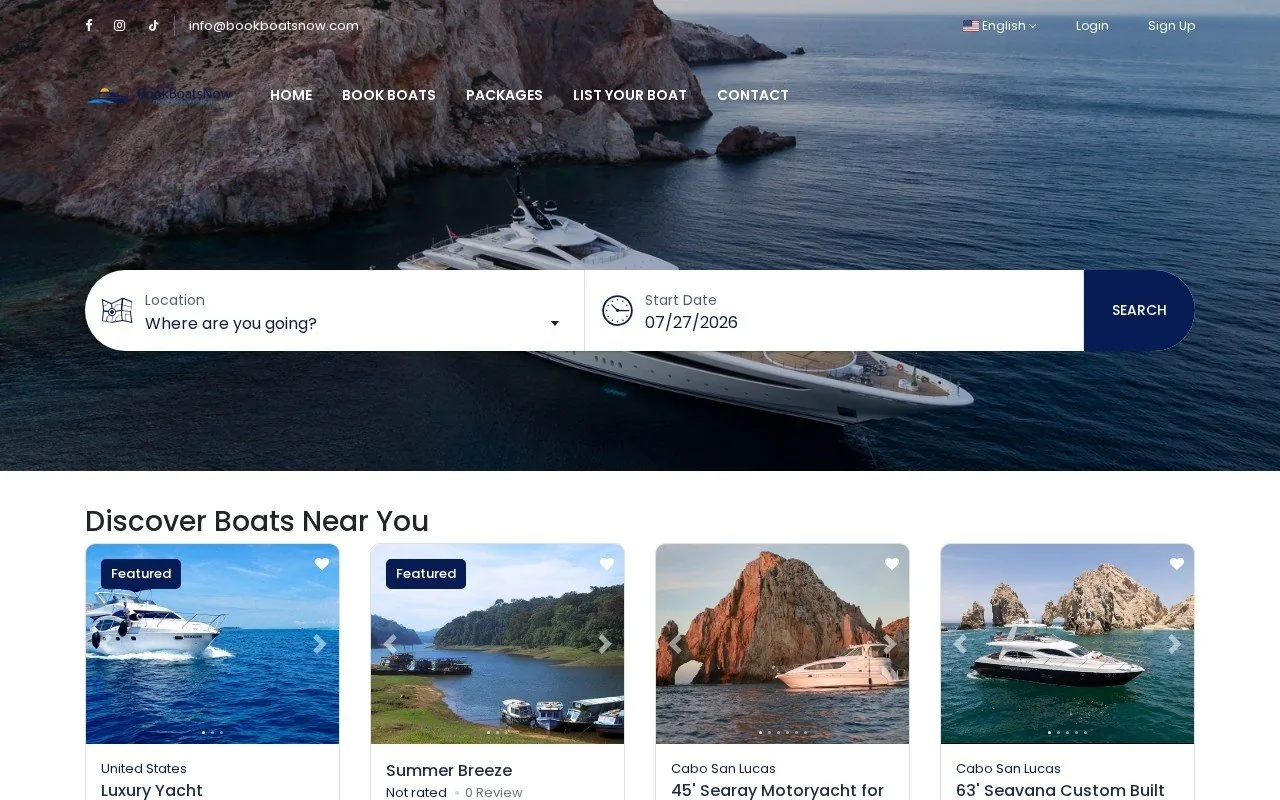
Top 3 rankings reported for selected destination queries, from a new domain.
3,000+ URLs in the catalogue optimisation scope.A scope figure, not a performance result.
Bring your platform and the competitors you are up against. In a free 30-minute call, Sakshi Kumari or Ashish Khan, the specialists who run MoxSEO, map the non-branded searches you could own before we propose any scope.
A call is not an engagement. We never guarantee rankings, traffic or revenue.