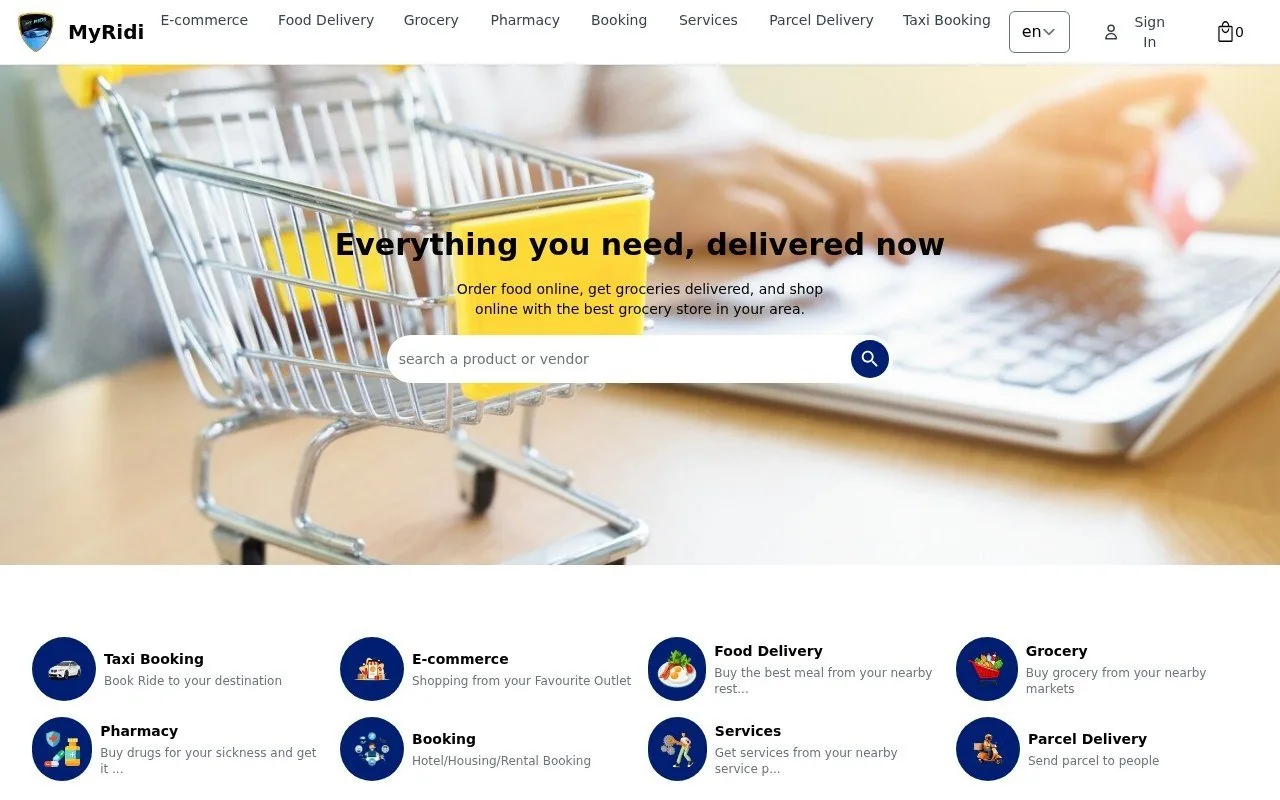
MyRIDI: urban mobility platform
800K+ organic impressions reported in the first year.
Search engineering,
end to end.
26 services across SEO, digital marketing and web development, run by the people who sign the work.
All services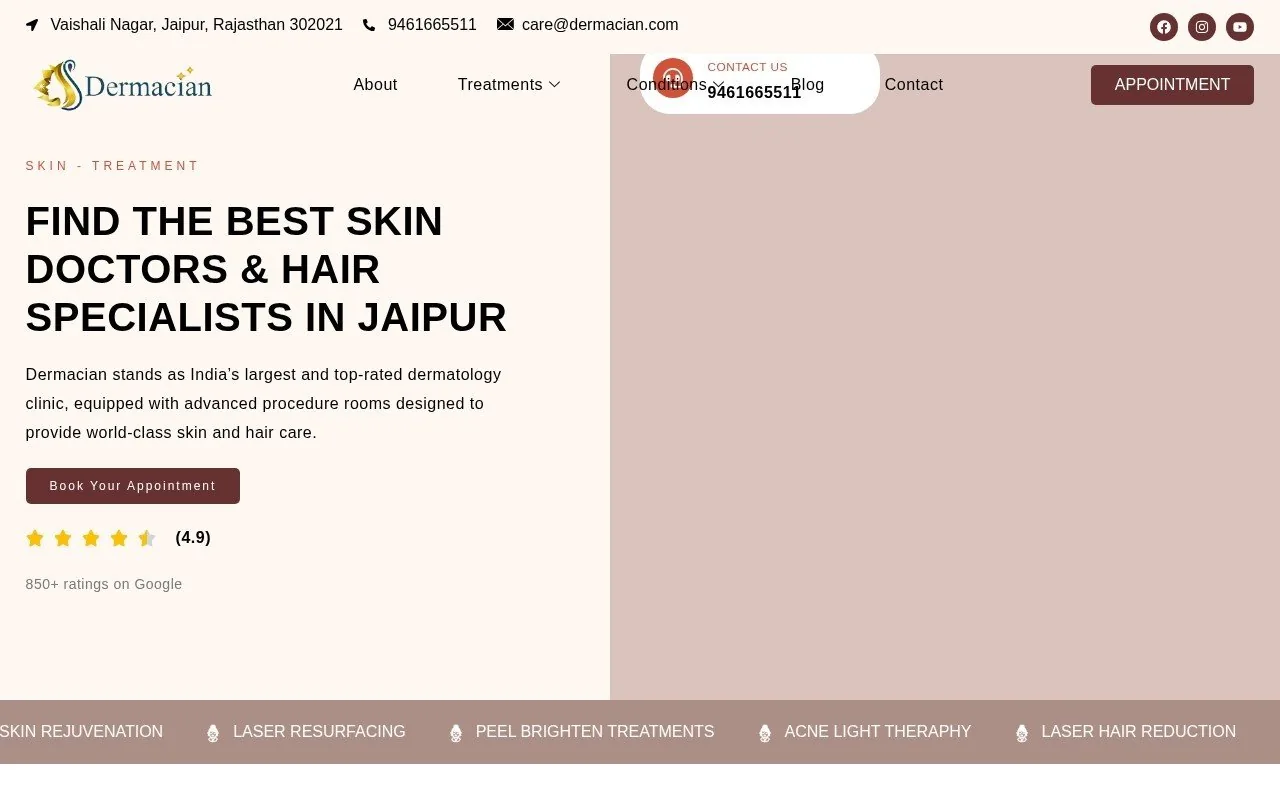 +340%
organic patient growth for Dermacian, a dermatology clinic
Markets where
accuracy is the job.
Each market has its own review standards, page types and measurement limits. We plan around them from day one.
All industries Healthcare & MedTech
Clinical review, accurate provider facts, proportionate claims.
 FinTech
Fees, rates and the regulated entity stated plainly and dated.
 B2B SaaS
Category, use-case, integration and security pages with distinct jobs.
 Ecommerce & marketplaces
Rules for filters, stock states, sellers and reviews.
 Legal & law firms
Jurisdiction, attorney involvement and advertising rules.
24 free tools.
No signup.
Can AI search quote your page? Paste a URL and the extractability checker scores it against nine structural checks.
All 24 toolsAI search 8
Technical 9
Entity 4
Local and global 3
Named people.
Published method.
Sakshi Kumari and Ashish Khan run MoxSEO's search work and sign the research they publish.
Meet the teamDermacian Healthcare SEO case study
Dermacian is a dermatology and medical aesthetics clinic competing in high-consideration treatment categories. This dermatology clinic SEO case study covers the local-search program MoxSEO ran: medical entity markup, treatment-page architecture, citation consistency and a patient review workflow, with measurement underneath. The case reports +340% organic patient growth for the project period.
The site needed stronger local consistency, clearer treatment information and a more reliable route from search discovery to an appointment enquiry. Patients compare carefully before they contact a clinic, so every one of those gaps cost enquiries.
Health decisions sit in what Google's Search Quality Rater Guidelines call Your Money or Your Life topics, where accuracy and trust carry extra weight. A clinic page has to be clear about the treatment, honest about who it suits and easy to verify.
Local results add a second layer. Search engines compare what the clinic says about itself on its website with what listings and other sites say about it. When the name, address, phone number or services disagree, the clinic is harder to trust and harder to show.
That is why the Dermacian work connected four things at once: how the clinic is described in markup, how treatments are organised on the site, how consistent its details are across the web, and how patient reviews are gathered. Our healthcare SEO page covers the same model for other practices.
Each area was implemented as part of the documented project scope and reviewed against the relevant search and customer journey. Measurement setup and release validation ran underneath all four.Order follows the case study. Artifacts are illustrative templates, not client files.
Structured data that describes the clinic as a local medical business: who it is, where it is and what it treats, in a form search engines can read without guessing.
Google explains how local business markup is used. It only helps when it matches what the page and the clinic's listings already say.
{ "@type": "MedicalClinic",
  "name": "{clinic_name}",
  "medicalSpecialty": "Dermatology",
  "address": { "@type": "PostalAddress",
    "streetAddress": "{street}" },
"telephone": "{phone}" }One clear page per treatment, grouped under the clinic, so a patient comparing options finds what the treatment is, who it suits and how to enquire.
The structure connects treatment discovery, local visibility, website information and the enquiry path, rather than leaving each treatment as an isolated page.
The clinic's name, address, phone number and hours stated the same way on its website and across third-party listings, so local results receive no conflicting signals.
A repeatable process for asking patients for reviews and responding to them, so the clinic's reputation in local results reflects real, recent experience.
In healthcare the process also protects privacy: a response should never confirm that someone is a patient or discuss their care.
Ask{channel}, with consent
Respondwithin {n} days, no patient details
Owner{clinic_role}
Reviewmonthly, alongside enquiries
Used to separate completed work from platform movement and customer outcomes.
Each release checked before and after it went live, so changes in patient growth could be read against what actually shipped.
+340% organic patient growth reported for the project period.Reported figure from the case study. Not a forecast for another clinic.
The case reports growth as a percentage. It does not publish the baseline, the dates of the project period or the analytics source, so the figure tells you the direction and size of the change, not patient numbers.
Source: MoxSEO project record for Dermacian. Markup reference: Google local business structured data. How we handle evidence: methodology. Material changes: corrections log.
What carries over to other clinics and medical practices competing for considered treatments. Each lesson comes from one of the work areas above.
Name, address, phone and hours should match everywhere. Inconsistent details are one of the easiest local problems to fix and one of the costliest to ignore.
CitationsPatients compare treatments one at a time. A dedicated page that explains the treatment and leads to an enquiry serves that comparison better than a long list.
Treatment pagesStructured data should restate what the page and listings already say. When the two disagree, neither is trusted.
Entity markupA steady, consented review routine with careful responses beats a one-off push, and it keeps patient privacy intact.
ReviewsThe goal was appointment enquiries. Set up measurement that can see them before the first change ships.
MeasurementComparable work can produce different outcomes in another market. Local competition, treatment demand and the analytics you have all change the result.
MoxSEO ran a local-search program for Dermacian, a dermatology and medical aesthetics clinic. The work covered local business and medical entity markup, treatment-page information architecture, citation consistency and a patient review workflow, with measurement setup and release validation underneath.
It is the outcome the project recorded: organic patient growth of 340% over the project period. It is a percentage change, not a patient count, and the baseline it was measured against was not published.
The case reports the figure for the project period. The specific dates and the analytics source were not published, which is why this page labels the window as the project period rather than a number of months.
It is search work for a skin and aesthetics clinic: making the clinic and its treatments easy for search engines to understand and trust, keeping local details consistent, and giving patients a clear path from a treatment search to an appointment enquiry.
Local results compare what a clinic says about itself on its website with what listings and other sites say. When the name, address, phone number or hours disagree, the clinic is harder to verify, so it is harder to show in local results.
Not automatically. The outcome depends on your market, local competition, treatment demand, starting visibility and analytics. This case is evidence about one clinic and one period. A free strategy call is the place to test whether a similar approach fits.
The case study lists work areas, not service lines. This is how they map.
800K+ organic impressions reported in the first year.
3,000+ platform signups attributed to organic search in six months.
3,000+ URLs in the catalogue optimisation scope.A scope figure, not a performance result.
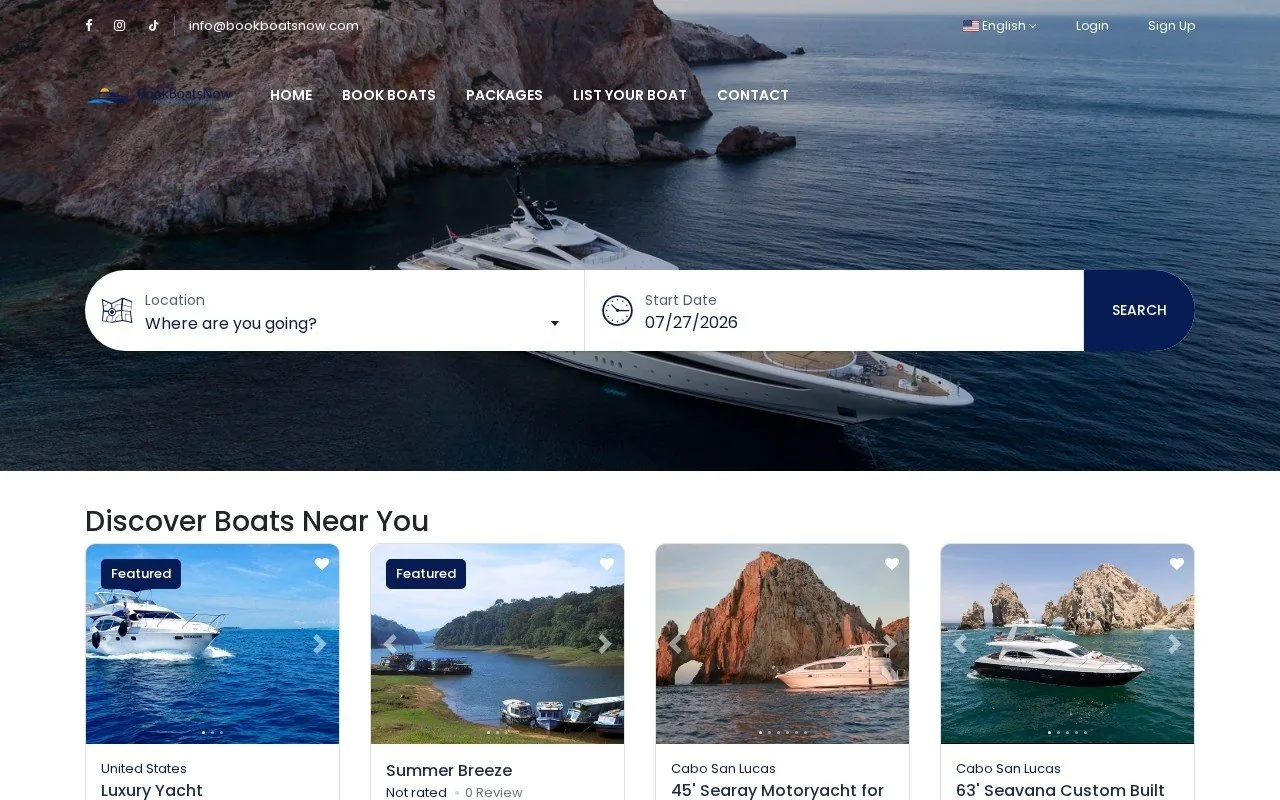
Top 3 rankings reported for selected destination queries, from a new domain.
Bring your clinic's website and the treatments that matter most. In a free 30-minute call, Sakshi Kumari or Ashish Khan, the specialists who run MoxSEO, review local consistency, treatment pages and the enquiry path, and name the first fixes. Please don't share patient information.
A call is not an engagement. We never guarantee rankings, traffic or revenue.