What research does MoxSEO publish?
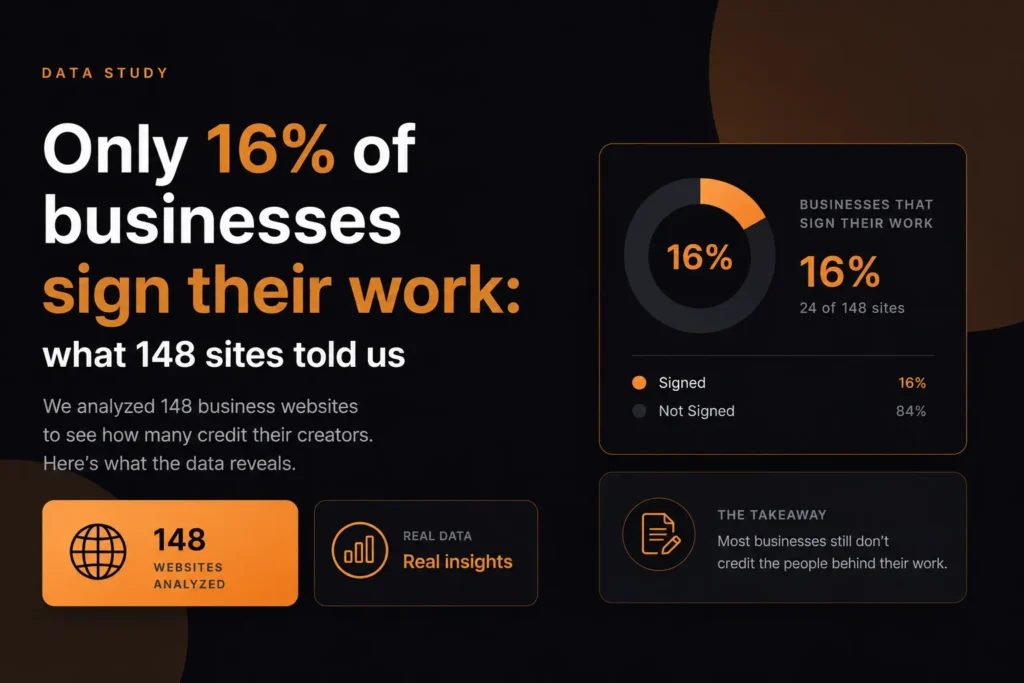
MoxSEO publishes original studies on how websites look to AI systems: which AI crawlers they let in (506 top sites), whether a page offers an answer an AI can lift and credit (243 homepages scored) and whether local businesses sign their work (148 businesses in 20 cities). Each study ships its method, limitations and a CSV.
How are the study samples chosen?
Global studies draw from the Tranco top-1M list, a research-oriented ranking designed to resist manipulation, with infrastructure, CDN and DNS domains removed by a disclosed pattern. The city study found six to nine professional service businesses per city through Google Places. Drop-outs are reported, not replaced.
Can I download and reuse the data?
Yes. Every study links a CSV with one row per site: 845 rows for the crawler study, 506 for the extractability study and 148 for the city study, 1,499 rows in total. The city-market dataset is licensed CC BY 4.0. A link back is appreciated.
What can these studies not prove?
They show patterns in a defined sample at one point in time. They cannot prove how any platform ranks or cites pages, and they cannot guarantee that one change will cause visibility. Treat a finding as a question to test on your own site, not a universal rule.
How should I use a study on my own site?
Pick the pattern closest to your question, check whether it exists on your own rendered pages, decide the expected benefit, make the smallest credible change, validate it in production and measure an outcome that fits. Research informs the decision; your site provides the evidence.
Who writes the studies?
Ashish Khan authored the AI crawler access and city-market studies; Sakshi Kumari authored the AI answer extractability study. Both are SEO specialists who run MoxSEO, and every study carries a named byline, publication and update dates, and a link to the corrections log.
How do I report an error in a study?
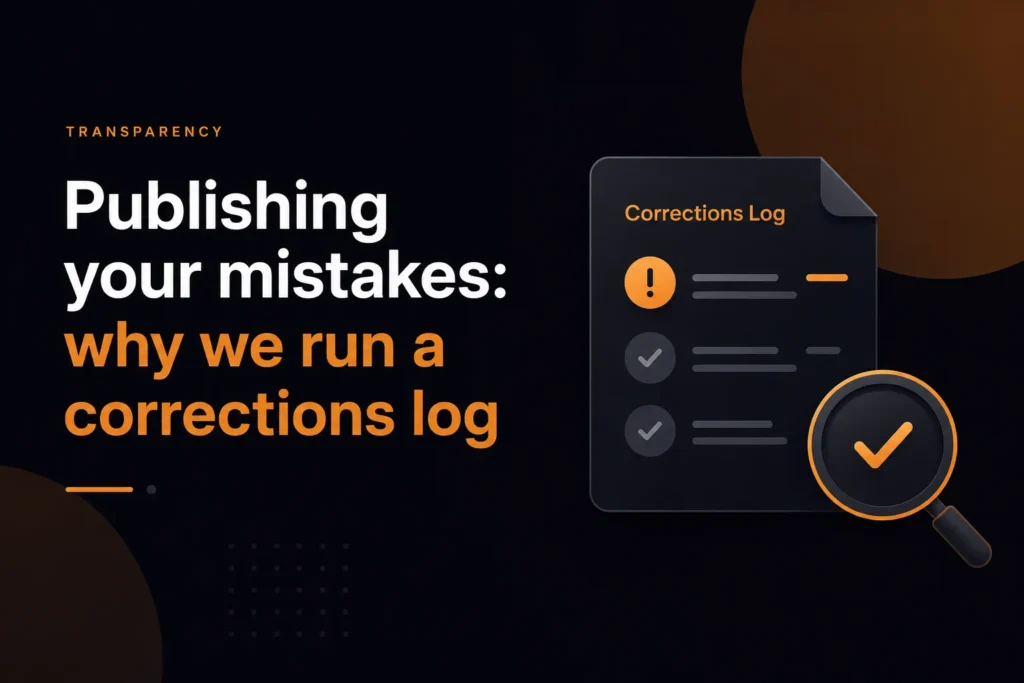
Email editorial@moxseo.com with the page URL, the exact statement, why it may be wrong and your evidence. Material errors are fixed and recorded in the public corrections log with the date and whether the conclusion changed.