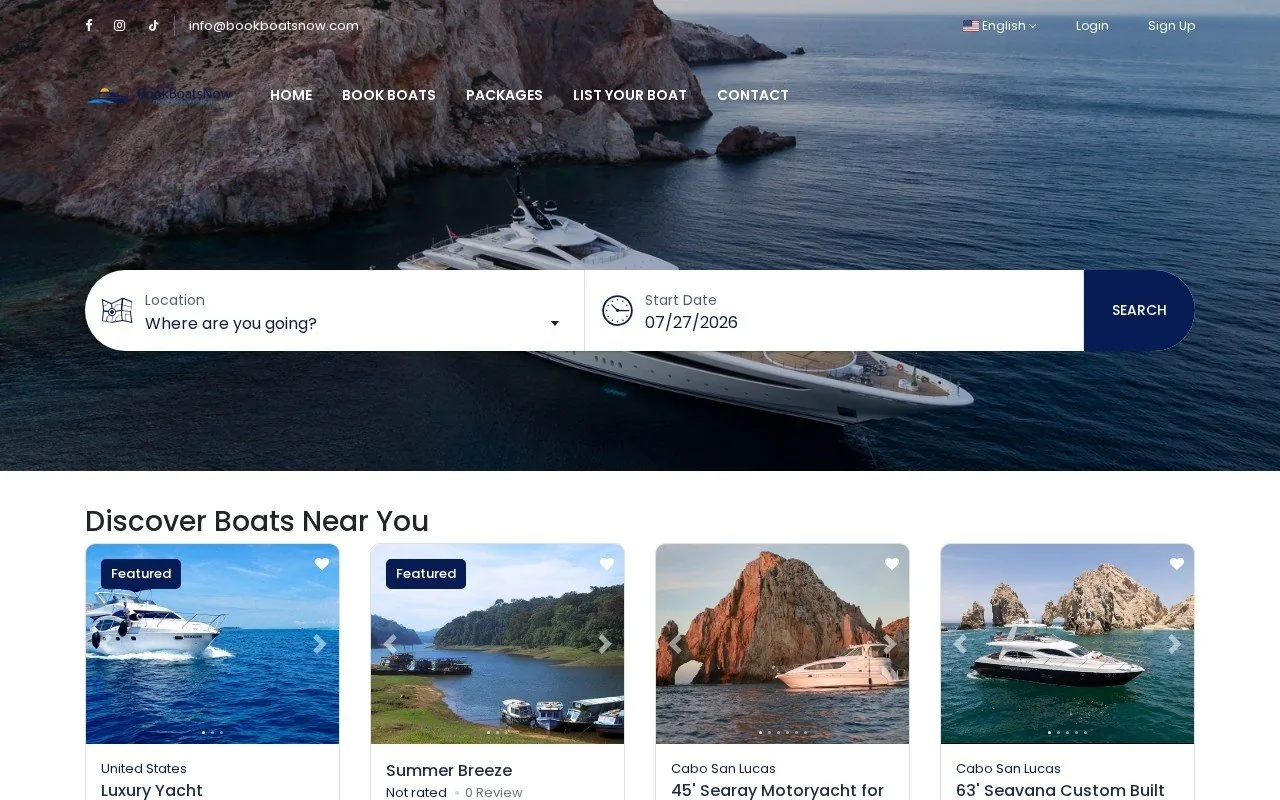
BookBoatsNow: boat rental marketplace
Top 3 rankings reported for selected destination queries, from a new domain.
Search engineering,
end to end.
26 services across SEO, digital marketing and web development, run by the people who sign the work.
All services +340%
organic patient growth for Dermacian, a dermatology clinic
Markets where
accuracy is the job.
Each market has its own review standards, page types and measurement limits. We plan around them from day one.
All industries Healthcare & MedTech
Clinical review, accurate provider facts, proportionate claims.
 FinTech
Fees, rates and the regulated entity stated plainly and dated.
 B2B SaaS
Category, use-case, integration and security pages with distinct jobs.
 Ecommerce & marketplaces
Rules for filters, stock states, sellers and reviews.
 Legal & law firms
Jurisdiction, attorney involvement and advertising rules.
24 free tools.
No signup.
Can AI search quote your page? Paste a URL and the extractability checker scores it against nine structural checks.
All 24 toolsAI search 8
Technical 9
Entity 4
Local and global 3
Named people.
Published method.
Sakshi Kumari and Ashish Khan run MoxSEO's search work and sign the research they publish.
Meet the teamMiracuves Catalogue SEO case study
Disclosure: Miracuves Solutions Pvt. Ltd. is MoxSEO's parent company. This engagement was delivered for a group business. Miracuves runs an enterprise software catalogue where filter and catalogue pages created duplication, crawl waste and pages competing for the same needs. This catalogue SEO case study covers the architecture program MoxSEO delivered across product, industry and solution pages: canonical and indexation rules, faceted-navigation controls, breadcrumb structured data and programmatic internal linking, with 3,000+ URLs in scope.
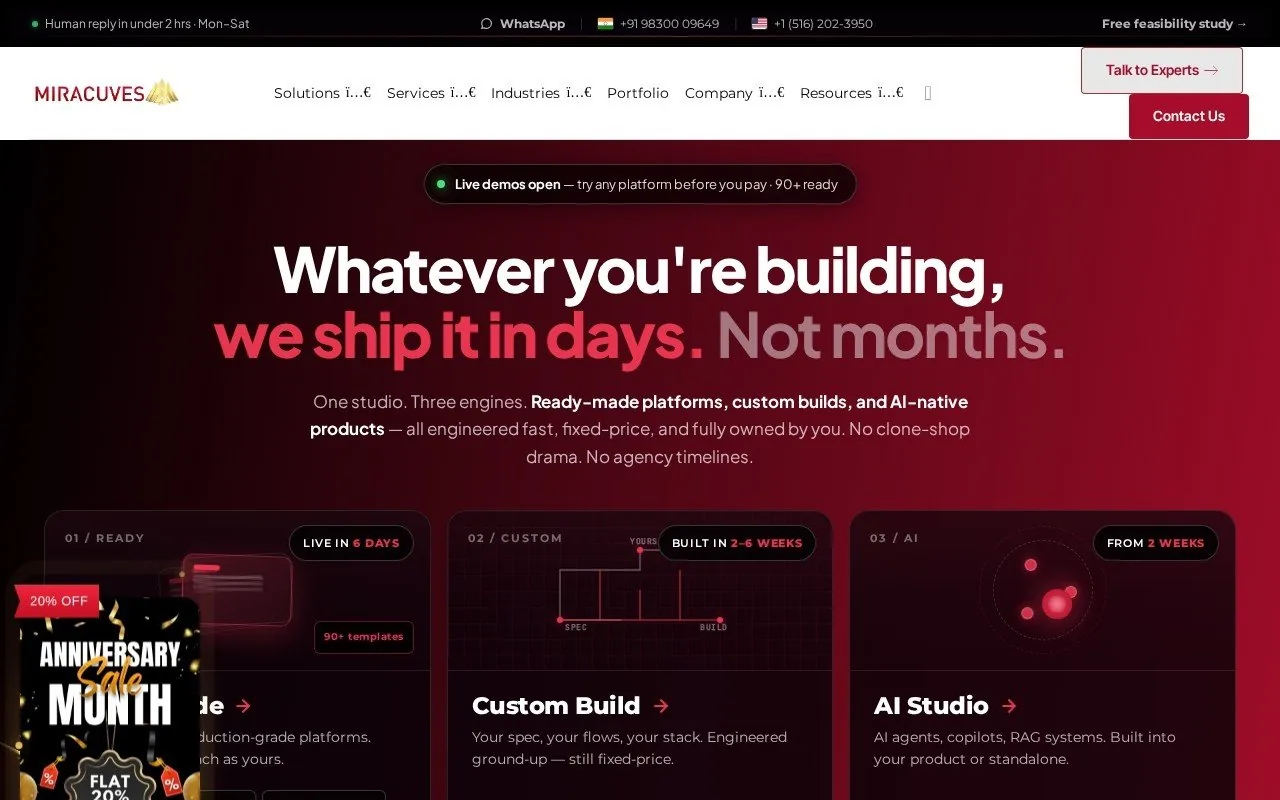
Large filter and catalogue surfaces were creating duplication, crawl waste and competition between pages targeting related commercial needs, across product, industry and solution pages.
Every filter, sort order and view option can create a new URL. On a large catalogue that multiplies into thousands of pages that look different to a crawler but say almost the same thing to a buyer.
Google's guidance on faceted navigation and crawl budget for large sites describes the cost: crawlers spend time on low-value variants, and the pages that matter are crawled and refreshed less often.
The second cost is internal competition. When a product page, an industry page and a solution page all chase the same need, search engines have to guess which one to show. The Miracuves work set rules for which pages should be indexed, how variants point to the right version, and how page families link to each other. We cover the pattern in more depth in faceted navigation is where crawl budget goes to die.
Each area was implemented as part of the documented project scope and reviewed against the relevant search and customer journey. Measurement setup and release validation ran underneath all four.Order follows the case study. Artifacts are illustrative templates, not client files.
A written rule for every URL type: which pages are indexed, which point to a preferred version, and which stay out of the index.
Rules beat one-off fixes on a catalogue this size. Google explains how canonical URLs consolidate duplicates.
Product pageindex, self-canonical
One filterindex only with real demand
Two+ filtersnoindex, canonical to {parent}
Sort or viewcanonical to the clean URL
Controls that stop filter combinations from multiplying into crawlable duplicates, while keeping the useful filtered views available to people and search engines.
Breadcrumbs that state each page's place in the catalogue, marked up so search engines read the same hierarchy that buyers see.
Google documents breadcrumb markup and how it appears in results.
{ "@type": "BreadcrumbList",
  "itemListElement": [
    { "position": 1, "name": "{category}" },
    { "position": 2, "name": "{product_type}" },
{ "position": 3, "name": "{product}" } ] }Links generated from the catalogue's own structure, so each product connects to the industries and solutions it serves, and each page family supports the others instead of competing with them.
Used to separate completed work from platform movement and customer outcomes.
Template-level changes checked before and after release, because one rule on a catalogue changes thousands of URLs at once.
3,000+ URLs in the catalogue optimisation scope.A scope figure from the case study, not a performance result.
3,000+ counts the URLs the work covered. The case does not publish a before-and-after performance number, so this page doesn't imply one.
Source: MoxSEO project record for Miracuves. References: Google faceted navigation guidance. How we handle evidence: methodology. Material changes: corrections log.
What carries over to other large catalogues, marketplaces and software directories. Each lesson comes from one of the work areas above.
At thousands of URLs, a rule per URL type is the only thing that stays consistent as the catalogue grows.
IndexationA filtered view earns indexing when people actually search for it. The rest should help navigation without multiplying crawlable duplicates.
FacetsBreadcrumbs and their markup tell search engines how the catalogue is organised. Make them match what buyers see.
BreadcrumbsProduct, industry and solution pages should link by rule, so they reinforce one another instead of chasing the same need.
Internal linksOne template change touches thousands of URLs. Check it before and after release, not after the traffic moves.
Release checksComparable work can produce different outcomes on another catalogue. Inventory, demand, site history and the analytics you have all change the result.
MoxSEO delivered a catalogue architecture program for Miracuves, an enterprise software catalogue, across product, industry and solution pages. The work covered canonical and indexation rules, faceted-navigation controls, breadcrumb structured data and programmatic internal linking, with measurement setup and release validation underneath. Miracuves Solutions Pvt. Ltd. is MoxSEO's parent company. This engagement was delivered for a group business.
No. 3,000+ is the number of URLs included in the catalogue optimisation scope. It describes the size of the work, not a traffic, ranking or revenue outcome, and it is labelled as scope wherever it appears.
Catalogue SEO is search work for sites with many similar pages, such as product, category and filtered listing pages. It decides which pages should be indexed, how duplicates point to a preferred version, and how pages link to each other so search engines find and trust the right ones.
Each filter combination can create a new URL. On a large catalogue that produces thousands of near-identical pages, which wastes crawl time and spreads signals across duplicates instead of the pages that matter.
It means links are generated from the catalogue's structure by rule, for example every product linking to the industries and solutions it serves. It keeps linking consistent across thousands of pages without editing each one by hand.
It may, but outcomes depend on your inventory, demand, site history, platform and analytics. This case is evidence about one catalogue. A free strategy call is the place to test whether a similar approach fits.
The case study lists work areas, not service lines. This is how they map.
Top 3 rankings reported for selected destination queries, from a new domain.
+340% organic patient growth reported for the project period.
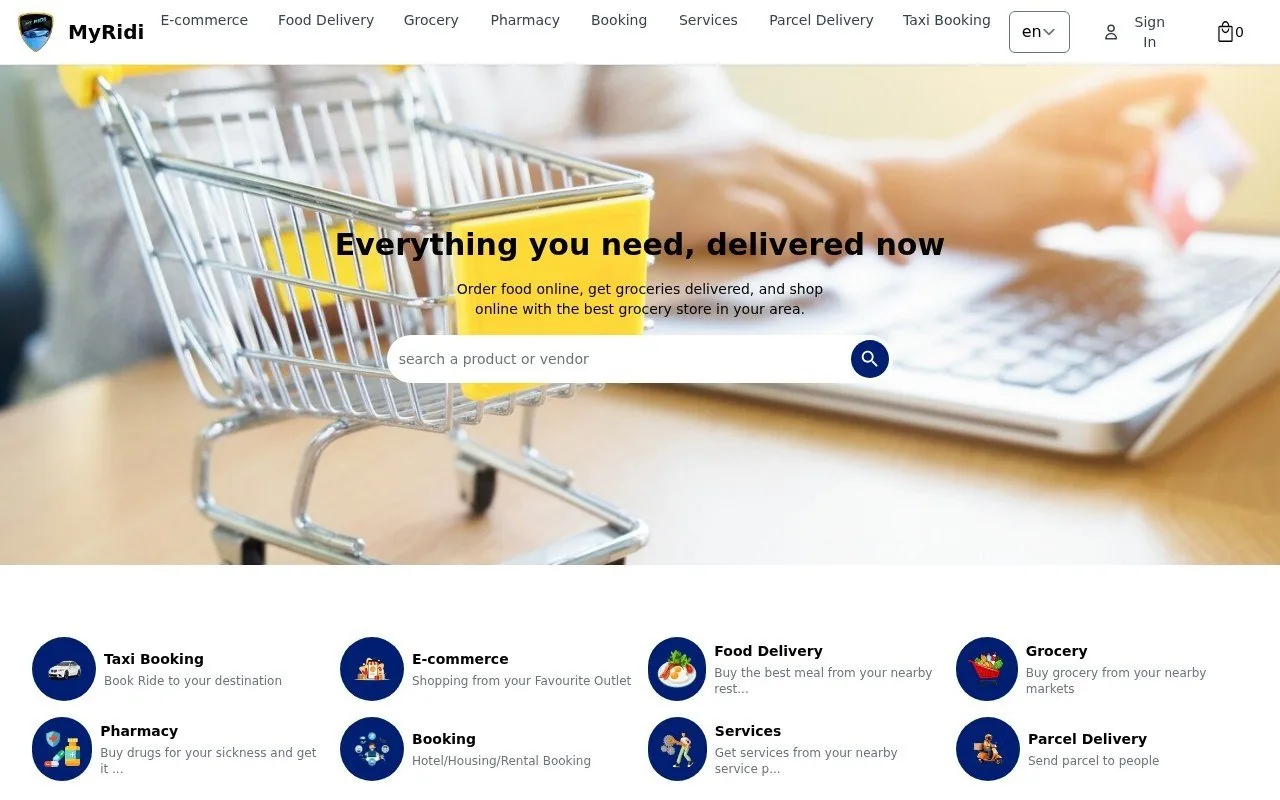
800K+ organic impressions reported in the first year.
3,000+ platform signups attributed to organic search in six months.
Bring your catalogue and the page families that compete with each other. In a free 30-minute call, Sakshi Kumari or Ashish Khan, the specialists who run MoxSEO, review indexation, facets and internal linking, and name the first fixes.
A call is not an engagement. We never guarantee rankings, traffic or revenue.