



Five SEO case studies, each with its conditions attached
MoxSEO publishes five SEO case studies: Dermacian (+340% organic patient growth), Miracuves (3,000+ URLs in scope), BookBoatsNow (Top 3 for selected destination queries), URview (3,000+ signups in six months) and MyRIDI (800K+ impressions in year one). Each shows the starting constraint, the work, the recorded outcome and what it can and cannot prove.
Reviewed by Sakshi Kumari, SEO specialist. Last reviewed 2026-10-19.

The work, case by case
Filter by the client's sector or by the kind of work delivered. Work areas come straight from each case page; read the case for the constraint, the decisions and the caveats.
Showing all 5 case studies
- +340%
Organic patient growth reported for the project period
OutcomeDermacian
Dermatology and medical aesthetics clinic
A clinic competing in high-consideration treatment categories needed stronger local consistency, clearer treatment information and a more reliable route from search to an appointment enquiry. Read it for location relevance, treatment content, technical foundations and how the outcome was measured.
- Window
- Project period

- 3,000+
URLs included in the catalogue optimisation scope
Scope, not a resultMiracuves
Enterprise software catalogue
Large filter and catalogue surfaces were creating duplication, crawl waste and pages competing for the same commercial needs across product, industry and solution pages. Read it for how page families, internal discovery and scalable publishing were approached.
- Figure type
- Scope of the work, not a performance outcome
- Top 3
Reported ranking outcome for selected destination queries
OutcomeBookBoatsNow
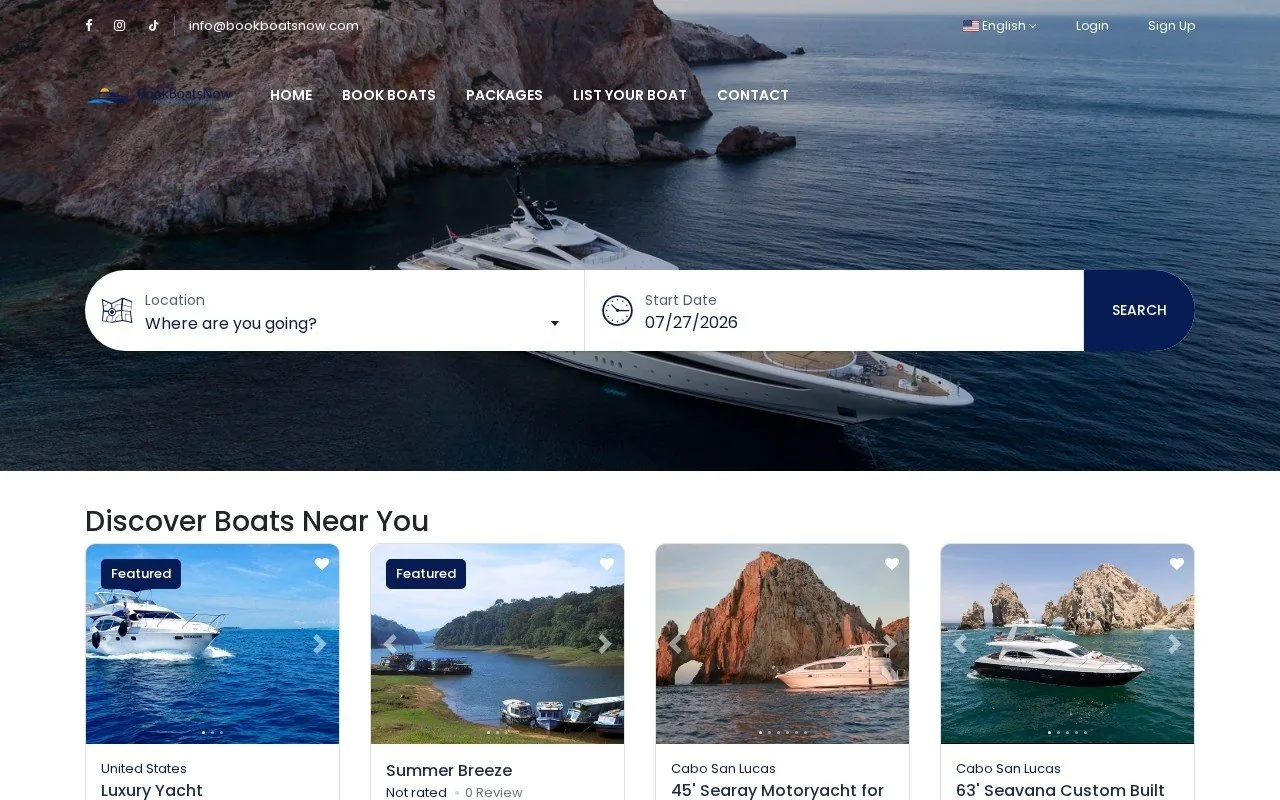
Boat rental marketplace, new domain
A marketplace launching on a fresh domain needed useful destination pages and authority signals, without letting location scale turn into thin, interchangeable content. Read it for the role of architecture, destination demand, marketplace supply and launch constraints.
- Queries
- Selected destination queries, not all
- 3,000+
Platform signups attributed to organic search in six months
OutcomeURview
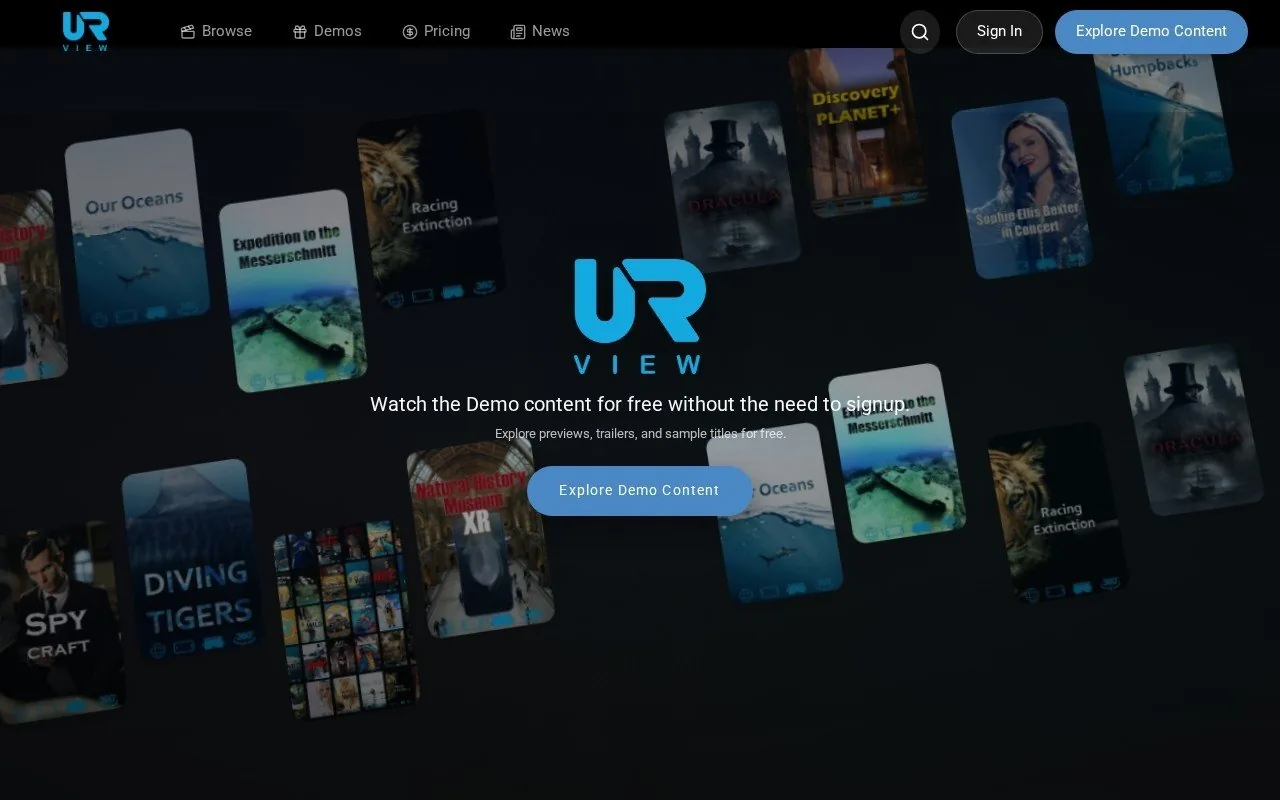
Interactive streaming platform
Launching with limited paid media, the platform needed public experiences people could discover in search, leading viewers from a first visit toward creating an account. Read it for how product discovery and content supported early demand.
- Window
- Six months
- 800K+
Organic impressions reported in the first year
OutcomeMyRIDI
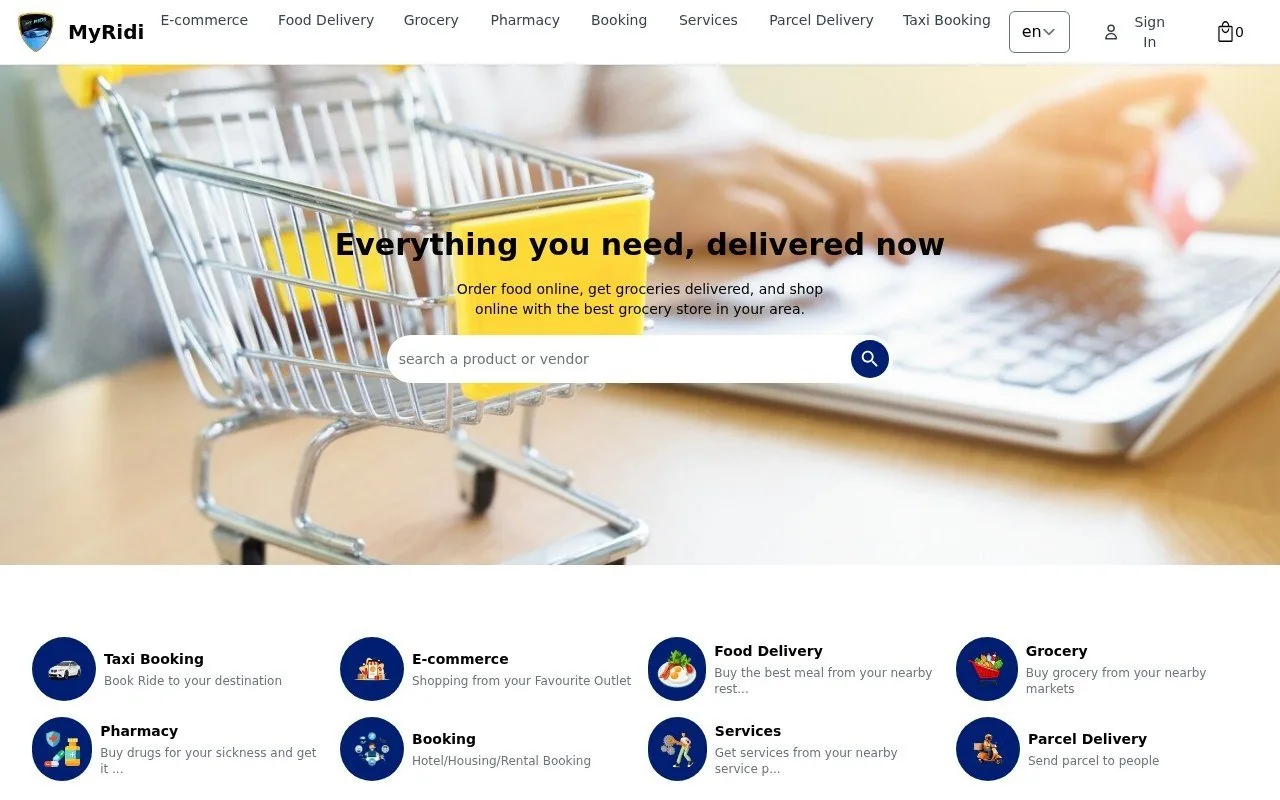
Urban mobility platform
The brand needed useful search surfaces beyond its own name while competing with established mobility platforms, supporting brand awareness and app acquisition. Read it for location architecture, transport intent and the boundary between visibility and installs.
- Window
- First year
No case matches both filters yet.
The evidence standard, applied to us
A useful case study lets you separate the baseline, the work, who controlled release, the time period, the data source, the metric definition and outside factors. Where public data cannot be disclosed, the limitation should be stated instead of replaced with false precision. Here is what each case page discloses today, including where it falls short.
| Disclosure | Dermacian | Miracuves | BookBoatsNow | URview | MyRIDI |
|---|---|---|---|---|---|
| Business and website context | Stated | Stated | Stated | Stated | Stated |
| Starting constraint | Stated | Stated | Stated | Stated | Stated |
| Work completed, and who controlled release | Work areas stated, release owner not | Work areas stated, release owner not | Work areas stated, release owner not | Work areas stated, release owner not | Work areas stated, release owner not |
| Comparison period | "Project period", no dates | Not applicable: scope figure | Not published | Six months | First year |
| Measurement source | Not published | Not applicable: scope figure | Not published | Not published | Not published |
| Limitations and non-SEO influences | Stated | Stated | Stated | Stated | Stated |
StatedPartly statedNot publishedRead from the public case pages, October 2026. Swipe the table for every case.
Reported, not forecast
Each figure describes one client, scope, market and measurement window. It is evidence about that project, not a prediction for your site.
Scope is not a result
Miracuves' 3,000+ counts the URLs the work covered. It is labelled as scope wherever it appears, never presented as growth.
Visibility is not revenue
Impressions and rankings are leading indicators. Signups and patient growth sit closer to the business, and attribution depends on the analytics available at the time.
Plan with patterns, not with promises
A case study is evidence about one organisation during one period. Market demand, domain history, implementation speed, competition, product quality, tracking and customer behaviour all change the result. Before you read another company's number as your forecast, ask three questions of it.
Was the starting point comparable?
ContextDomain history, existing demand, brand awareness, content inventory, technical debt and competition all limit what is possible.Evaluate before forecasting.
Could the work reach production?
DeliveryOutcomes depend on implementation quality, release speed, internal ownership, and whether what shipped kept the recommendation intact.Validate the released system.
Did the metric reflect business value?
MeasurementRankings and impressions lead. Qualified visits, leads, transactions, retention and revenue contribution each need their own definition.Match the metric to the decision.
Five case studies: Dermacian, +340% organic patient growth for the project period; Miracuves, 3,000+ URLs in the catalogue optimisation scope; BookBoatsNow, Top 3 rankings for selected destination queries; URview, 3,000+ signups from organic search in six months; and MyRIDI, 800K+ organic impressions in the first year.
Read it for the starting constraint, the work delivered, who controlled release, the measurement window, the data source and the limitations, not only the headline number. A result describes one organisation in one period and is not a forecast for another site.
Because 3,000+ counts the URLs the catalogue work covered. It describes the size of the project, not a traffic, ranking or revenue outcome, so it is never presented as growth.
No. We make no ranking, traffic, revenue or timeline promises, because those outcomes depend on search platforms, competition and customer behaviour that no agency controls. We commit to the work, the evidence and honest reporting.
Local healthcare (a dermatology clinic), an enterprise software catalogue, a boat rental marketplace, an interactive streaming platform and an urban mobility platform.
Material corrections are published in the public corrections log, with what changed and why. The research methodology page explains how we handle samples, limitations and evidence.
Behind every case
Case studies are project-specific evidence. These pages explain who set direction, who owned each specialism, and how recommendations moved into validated production work.
- FounderProblem definitions, evidence standards and priorities
- Team modelTechnical, content, research, design, engineering and analytics ownership
- How we workDiagnosis, scope, implementation, validation and learning
- SEO servicesThe service family behind these cases
- ResearchSamples, limitations and published studies
- All projectsHealthcare, software, marketplaces, streaming, mobility
Start with your baseline,
not someone else's result.
Share where you are now, the commercial objective, your implementation constraints and how good your measurement is. In a free 30-minute call, Sakshi Kumari or Ashish Khan, the specialists who run MoxSEO, tell you whether a similar approach fits.
A call is not an engagement. We never guarantee rankings, traffic or revenue.