SEO Specialist, 6+ years
Sakshi Kumari
Technical SEO, on-page and off-page optimisation, keyword research, content strategy and audits. Author of the AI answer extractability study and 28 articles on moxseo.com.
Search engineering,
end to end.
26 services across SEO, digital marketing and web development, run by the people who sign the work.
All services +340%
organic patient growth for Dermacian, a dermatology clinic
+340%
organic patient growth for Dermacian, a dermatology clinic
Markets where
accuracy is the job.
Each market has its own review standards, page types and measurement limits. We plan around them from day one.
All industries Healthcare & MedTech
Clinical review, accurate provider facts, proportionate claims.
Healthcare & MedTech
Clinical review, accurate provider facts, proportionate claims.
 FinTech
Fees, rates and the regulated entity stated plainly and dated.
FinTech
Fees, rates and the regulated entity stated plainly and dated.
 B2B SaaS
Category, use-case, integration and security pages with distinct jobs.
B2B SaaS
Category, use-case, integration and security pages with distinct jobs.
 Ecommerce & marketplaces
Rules for filters, stock states, sellers and reviews.
Ecommerce & marketplaces
Rules for filters, stock states, sellers and reviews.
 Legal & law firms
Jurisdiction, attorney involvement and advertising rules.
Legal & law firms
Jurisdiction, attorney involvement and advertising rules.
18 free tools.
No signup.
Can AI search quote your page? Paste a URL and the extractability checker scores it against nine structural checks.
All 18 toolsAI search 8
Technical 5
Local and global 2
Named people.
Published method.
Sakshi Kumari and Ashish Khan run MoxSEO's search work and sign the research they publish.
Meet the teamAditya Bhimrajka is the founder of MoxSEO and its Chief Search Systems Architect. He founded the company around one observation: search recommendations fail when technical, content, design, engineering and measurement decisions are made in isolation. His role is to keep them connected, from the first diagnosis through implementation and review.
Founder-led does not mean every task depends on one person. It means the programme has a clear strategic owner.
That owner answers for problem definition, evidence standards, prioritisation, cross-functional tradeoffs and recommendation quality.
Aditya focuses on the decisions that materially affect outcomes: which constraints matter, which opportunity deserves investment, what must be true before release, how a claim should be supported, and what the resulting data does, or does not, prove. His published research covers enterprise technical SEO, knowledge graphs, large-scale indexing and generative engine optimisation.
Six working areas, evaluated together rather than handed between departments.
All servicesLeadership context meets production reality when decisions cross boundaries. These tradeoffs are surfaced early and documented.
How we workEvery strategic recommendation answers four questions before it reaches a client, and every finding behind it carries a confidence label.
Category pages render their product grid only after JavaScript runs.
ObservationSeen on the rendered site or in the data, at a stated time, on stated pages.
Separate rendered-site evidence, customer behaviour, analytics and market data from assumptions.
Connect the issue to discovery, comprehension, user action, operational risk or commercial value.
Define the page, template, component, workflow, owner and acceptance criteria required in production.
Record the release and evaluate the appropriate technical, search, behavioural and commercial signals.
Public work does not replace client-specific evidence, but it makes the reasoning standard visible before a sales conversation.
How founder-led delivery works in practice.
Aditya Bhimrajka is the founder of MoxSEO and its Chief Search Systems Architect. He owns strategic direction, problem definition, evidence standards, prioritisation, cross-functional tradeoffs and the quality of every recommendation that leaves the studio.
Involvement depends on scope, but strategic direction, major prioritisation decisions and quality standards remain founder-led on every MoxSEO engagement. The proposal states who is responsible for what, so you know where founder judgment applies.
MoxSEO specialists handle research, content, engineering, analytics and delivery tasks according to the engagement, led day to day by SEO specialists Sakshi Kumari and Ashish Khan. Ownership and review stages are documented in the proposal and the delivery record.
Yes. Advisory work suits capable internal teams that need diagnosis, decision support, implementation-ready specifications, migration oversight or independent validation, while their own developers and editors ship the changes.
Share the website, business model, priority markets, current constraints, previous SEO work, who owns implementation and the decision you need to make. Do not send passwords or production credentials; access is agreed separately if an engagement proceeds.
Aditya sets direction and evidence standards. Sakshi Kumari and Ashish Khan run the work, take the strategy calls and sign the research they publish.
Technical SEO, on-page and off-page optimisation, keyword research, content strategy and audits. Author of the AI answer extractability study and 28 articles on moxseo.com.
Keyword research, technical SEO, content strategy and link building. Author of the AI crawler-blocking study across 506 domains and 42 articles on moxseo.com.
Search, technical, content, analytics, design and engineering responsibilities are assigned around each engagement.
Team and responsibilitiesResearch Aditya's team put their names to, and client projects where architecture, templates, intent and measurement had to work as one system.
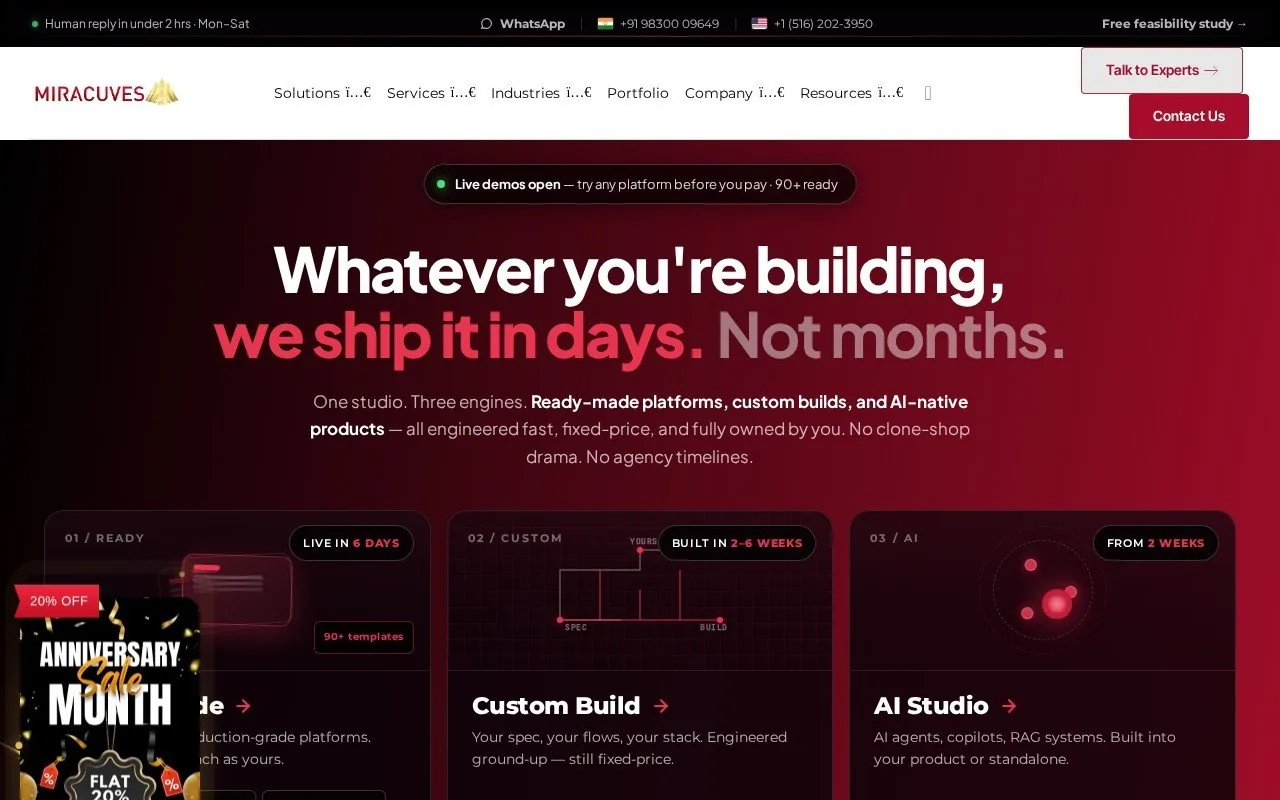
Catalogue SEO across 3,000 URLs of product, industry and solution pages, a scope figure.
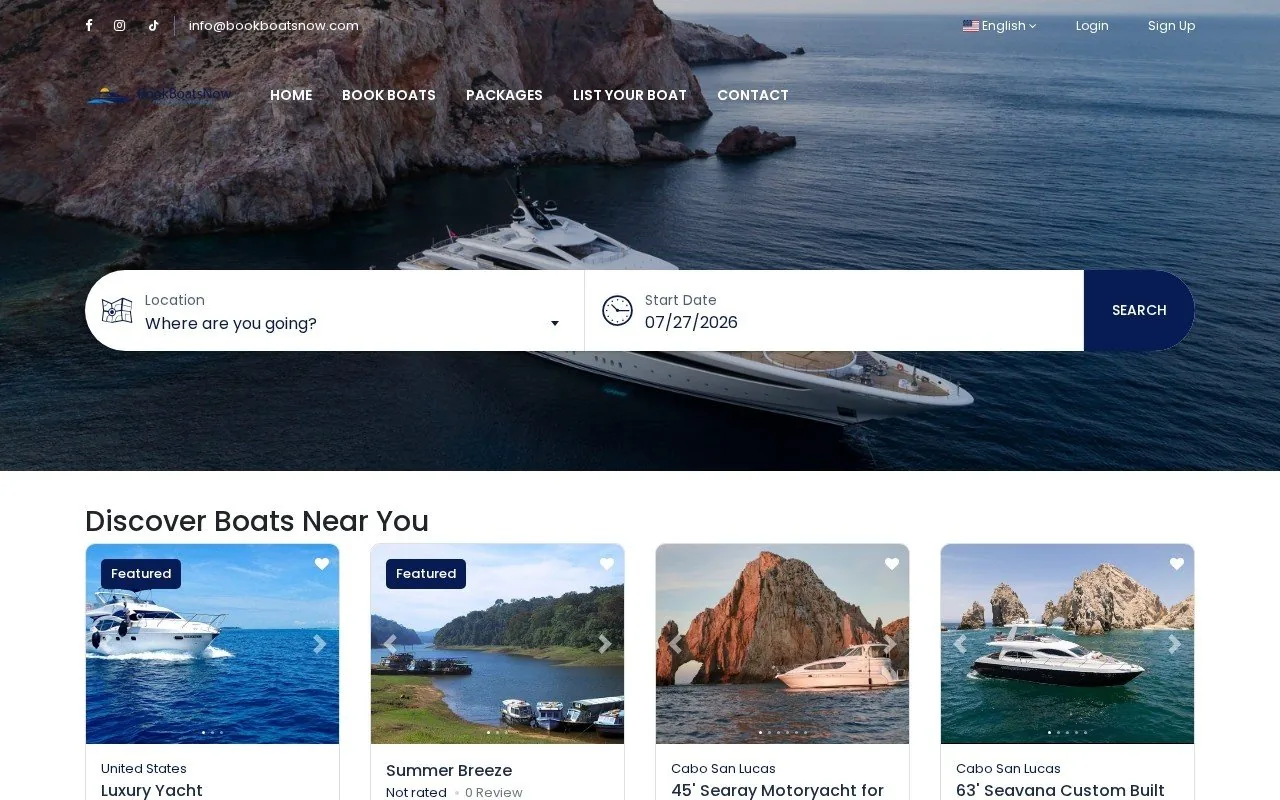
Marketplace search foundation from a fresh domain.
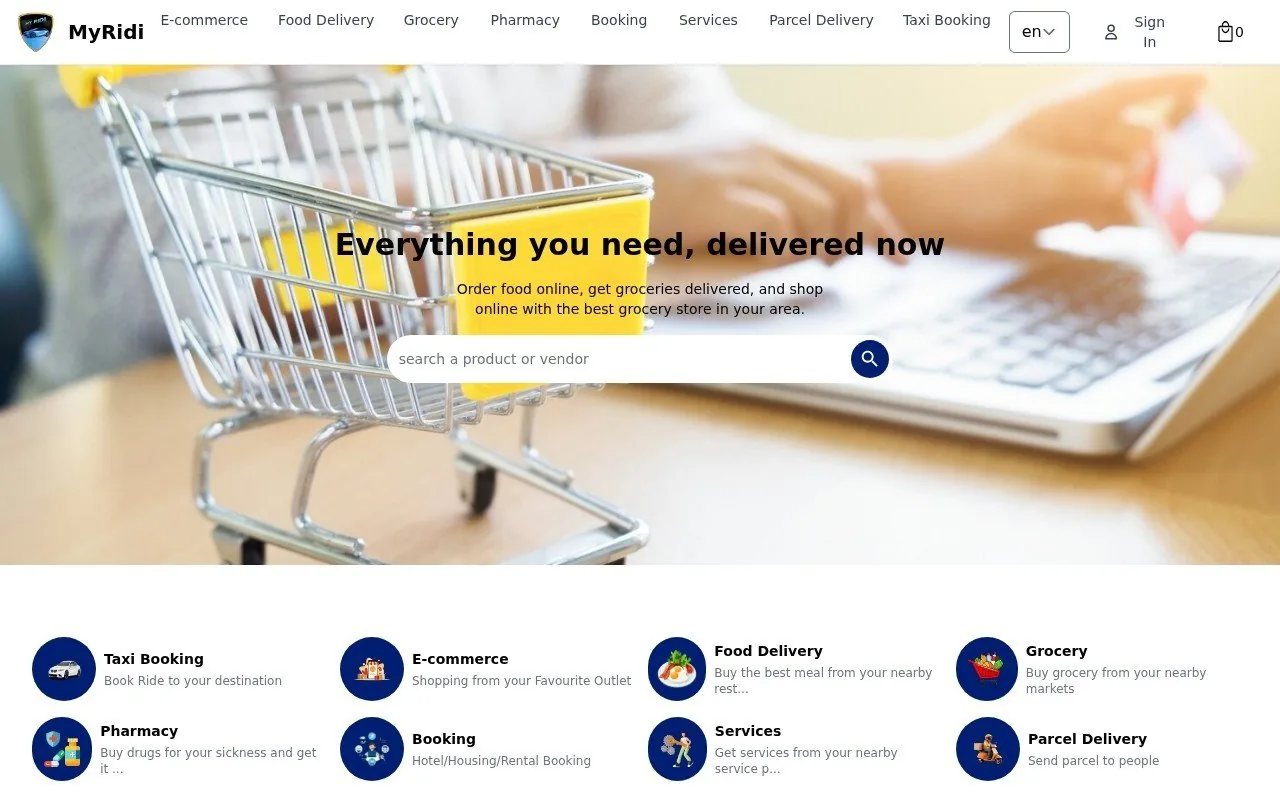
800K+ organic search impressions in year one.
Share the website, the commercial context, your current evidence, ownership and constraints. In a free 30-minute call, Sakshi Kumari or Ashish Khan name the first move that fits the system you operate.
A call is not an engagement. We never guarantee rankings, traffic or revenue.