
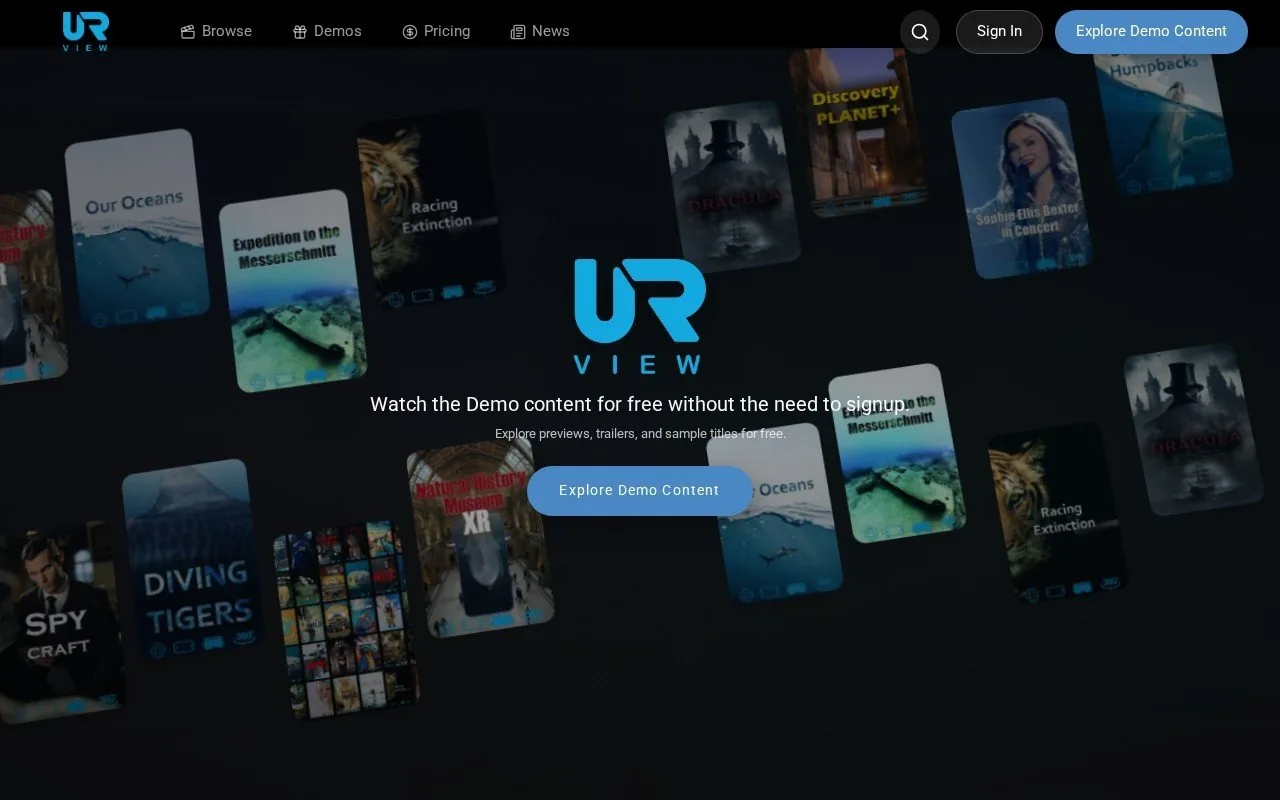
3,000+
URview: 3,000+ signups from organic search in six months
Public channel pages, creator discovery hubs and topic content for an interactive streaming platform launching with limited paid media.
Search engineering,
end to end.
26 services across SEO, digital marketing and web development, run by the people who sign the work.
All services +340%
organic patient growth for Dermacian, a dermatology clinic
+340%
organic patient growth for Dermacian, a dermatology clinic
Markets where
accuracy is the job.
Each market has its own review standards, page types and measurement limits. We plan around them from day one.
All industries Healthcare & MedTech
Clinical review, accurate provider facts, proportionate claims.
Healthcare & MedTech
Clinical review, accurate provider facts, proportionate claims.
 FinTech
Fees, rates and the regulated entity stated plainly and dated.
FinTech
Fees, rates and the regulated entity stated plainly and dated.
 B2B SaaS
Category, use-case, integration and security pages with distinct jobs.
B2B SaaS
Category, use-case, integration and security pages with distinct jobs.
 Ecommerce & marketplaces
Rules for filters, stock states, sellers and reviews.
Ecommerce & marketplaces
Rules for filters, stock states, sellers and reviews.
 Legal & law firms
Jurisdiction, attorney involvement and advertising rules.
Legal & law firms
Jurisdiction, attorney involvement and advertising rules.
18 free tools.
No signup.
Can AI search quote your page? Paste a URL and the extractability checker scores it against nine structural checks.
All 18 toolsAI search 8
Technical 5
Local and global 2
Named people.
Published method.
Sakshi Kumari and Ashish Khan run MoxSEO's search work and sign the research they publish.
Meet the teamMoxSEO's digital marketing services connect paid search, social media, content, email and influencer marketing around one customer journey and one measurement model. Each channel gets a defined job, a budget rule and a success signal before money is spent. Published digital marketing packages start at $519 a month.
Reviewed by Sakshi Kumari, SEO specialist at MoxSEO. Last reviewed 19 October 2026.
Reportedplatform conversions, last click
Agreedqualified pipeline by CRM stage
Each service applies the same operating model to one channel. Start with the channel closest to your buyer; most programs combine two or three, with shared audiences, messages and reporting.
Marketing gets expensive when every channel uses a different audience definition, message, landing page and report. These five patterns cause most of the waste we see.
budget split by platformBudget is spread across platforms without saying what each one must do for which audience stage, so every channel claims the same customers.
brief → assetAds and posts are produced from opinion rather than customer language, sales objections and what has already worked.
form fills ≠ pipelineReports count form fills and platform conversions while nobody checks which leads became qualified pipeline or revenue.
last click vs CRM stageSales and marketing disagree about what worked because attribution is treated as fact instead of a model with known limits.
ad → page → follow-upThe ad, landing page, email and sales handoff each tell a different story, so attention is lost between channels.
A multi-channel program should not activate every platform. A channel without a defensible audience, conversion path, owner and measurement role stays out of scope until it has one.
Eight workstreams. Your written scope picks the ones your journey needs first; channel specialists keep their depth without optimising against each other.
| Deliverable | What it covers | Touches |
|---|---|---|
| Demand diagnostic | Markets, audiences, jobs, objections, offers and current friction mapped into one testable growth plan. | search and social demandCRM outcomessales feedback |
| Channel roles and investment roadmap | What each channel must achieve for which audience stage, how people move between channels, and the budget logic behind it. | channel rolesbudget |
| Paid acquisition | Search and social investment governed by query quality, audience fit, landing experience and incrementality. See PPC management. | Google Adspaid social |
| Content systems | Research, editorial planning, distribution and refresh workflows built around real customer decisions. | editorial calendarbriefs |
| Lifecycle marketing | Capture, onboarding, nurture, expansion and reactivation journeys connected to customer state. | emailCRM |
| Creative operations | Messages, formats, production briefs and a learning archive designed for faster, more useful iteration. | creative briefstesting framework |
| Marketing measurement | Definitions, events, attribution limits, cohort reporting and commercial outcomes reviewed together. | eventsattribution modelcohorts |
| Monthly decision ledger | Every scale, revise or stop decision recorded with its evidence, so internal and external teams work from the same record. | decision log |
Four tracks, from fragmented campaigns to a learning system. Each test has clear creative, landing and measurement requirements before it launches.
Audiences, journeys, offers, channels, data, unit economics and current friction documented.
What each channel must accomplish and how people should progress between them.
A small number of high-value hypotheses with creative, landing-page and measurement requirements.
Scale, revise or stop investment using commercial and customer evidence, not platform claims alone.
Phases overlap and their pace is set in the written scope. Tracking is repaired before any channel is scaled.
No published multi-channel case study yet.Our case studies are search programs. Two of them include content work that sits inside this family; we show them as that, not as paid or social results.
Public channel pages, creator discovery hubs and topic content for an interactive streaming platform launching with limited paid media.
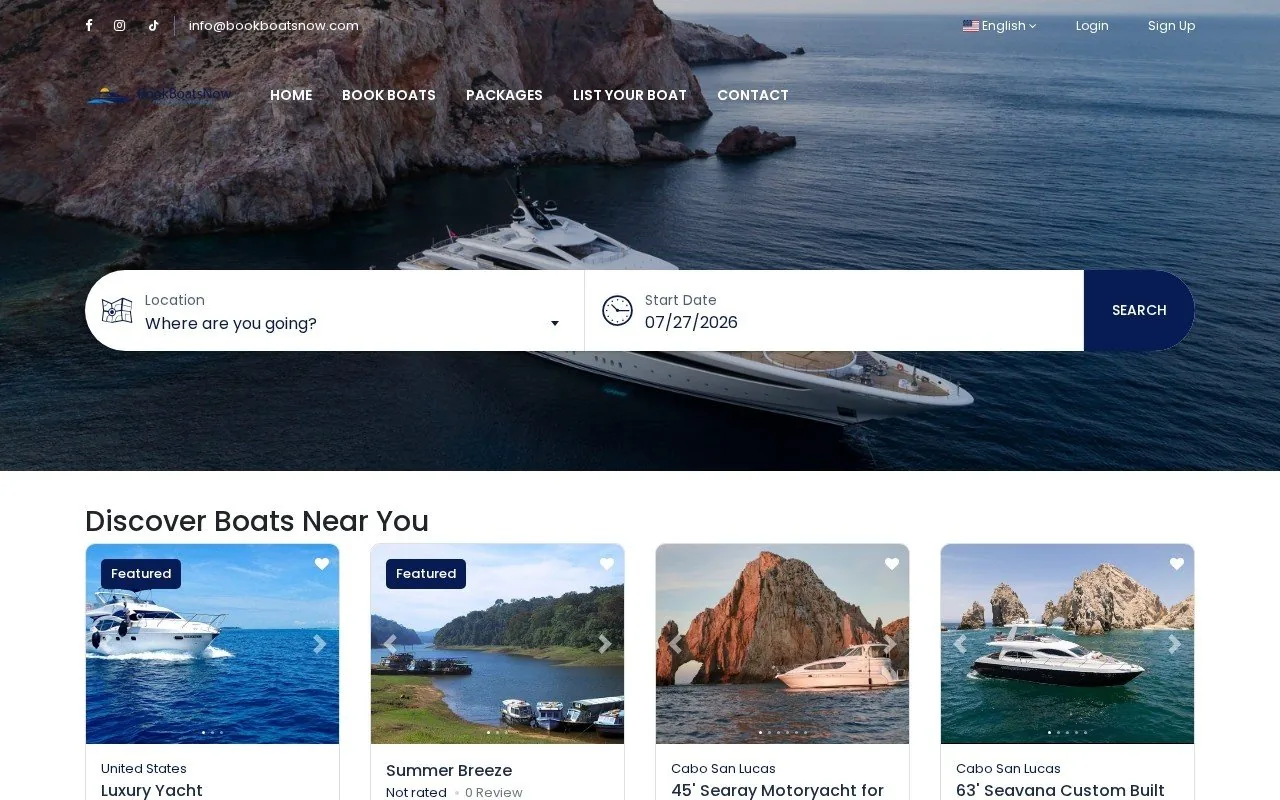
Destination content and digital PR support for a boat rental marketplace. Top 3 rankings reported for selected destination queries.
A paid media case study is next. Until it is published, ask us on the call to walk through how we would audit your account and tracking.
Published starting points, not fixed quotes. Channel count, creative volume, media spend, markets, attribution quality and CRM integration set the actual fee in a written proposal. Channel-specific packages exist for social, PPC and content.
A focused starting scope for one clear priority and a smaller operating surface.
A broader working program for teams that need recurring execution and coordinated improvement.
A custom operating scope for larger sites, markets, catalogs, or stakeholder groups.
No plan includes guaranteed leads, sales, followers or return on ad spend. Media spend and creator fees are separate from management fees.
Lists of the best digital marketing agencies rarely say how to test one. Five questions separate a coordinated program from a bundle of channels.
Listen for customer behaviour, economics, sales cycle, creative capacity and measurement quality. A standard package for every client is a red flag.
Ask to see a shared brief: audience decision, channel responsibility, message and proof, and the commercial signal each channel is judged on.
Platform conversions and last-click credit flatter every channel. You want qualified pipeline or revenue, with attribution limits stated.
You should. Our agreements keep accounts, approved assets and implementation documentation with your team.
Markets, auctions and buyers are outside any agency's control. Guaranteed leads, followers or return on ad spend is a red flag.
Three free tools that answer common marketing questions in minutes. No sign-up.
Question not here? Strategy calls are with Sakshi Kumari or Ashish Khan, the specialists who run MoxSEO.
contact@moxseo.comDemand strategy, paid acquisition, social media, content, email and lifecycle marketing, influencer partnerships, creative operations and measurement. MoxSEO connects them around one customer journey, so each channel has a defined job, shared audience and message, and a success signal agreed before budget is committed.
We can lead an integrated program or own selected channels. Responsibilities and handoffs between our team, your team and other agencies are defined in writing before execution starts.
We use customer behaviour, unit economics, sales cycle, existing evidence, creative capacity and measurement quality. The mix is not a standard package: a channel without a defensible audience, conversion path, owner and measurement role stays out of scope.
Yes. We build shared briefs, decision rules, review cadences and reporting so internal and external specialists work from the same plan instead of optimising against each other.
Our published digital marketing packages start at $519/month (Starter Growth), $799/month (Growth Scale) and $1,318/month (Integrated Program). Social, PPC and content have their own packages. Media spend is separate, and the final fee is set in a written scope.
No. We define controllable inputs, run transparent tests and measure commercial outcomes, but we don't promise results that markets and buyers control.
We agree definitions first, then report qualified pipeline contribution, customer acquisition efficiency, conversion by audience and offer, and what each test taught us. Attribution is treated as a model with stated limits, not as fact.
Bring your channels, funnel and commercial constraints. In a free 30-minute call, Sakshi Kumari or Ashish Khan, the specialists who run MoxSEO, identify the first decision worth resolving before we propose any scope.
A call is not an engagement. Digital marketing packages start at $519 a month, and we never guarantee leads or revenue.