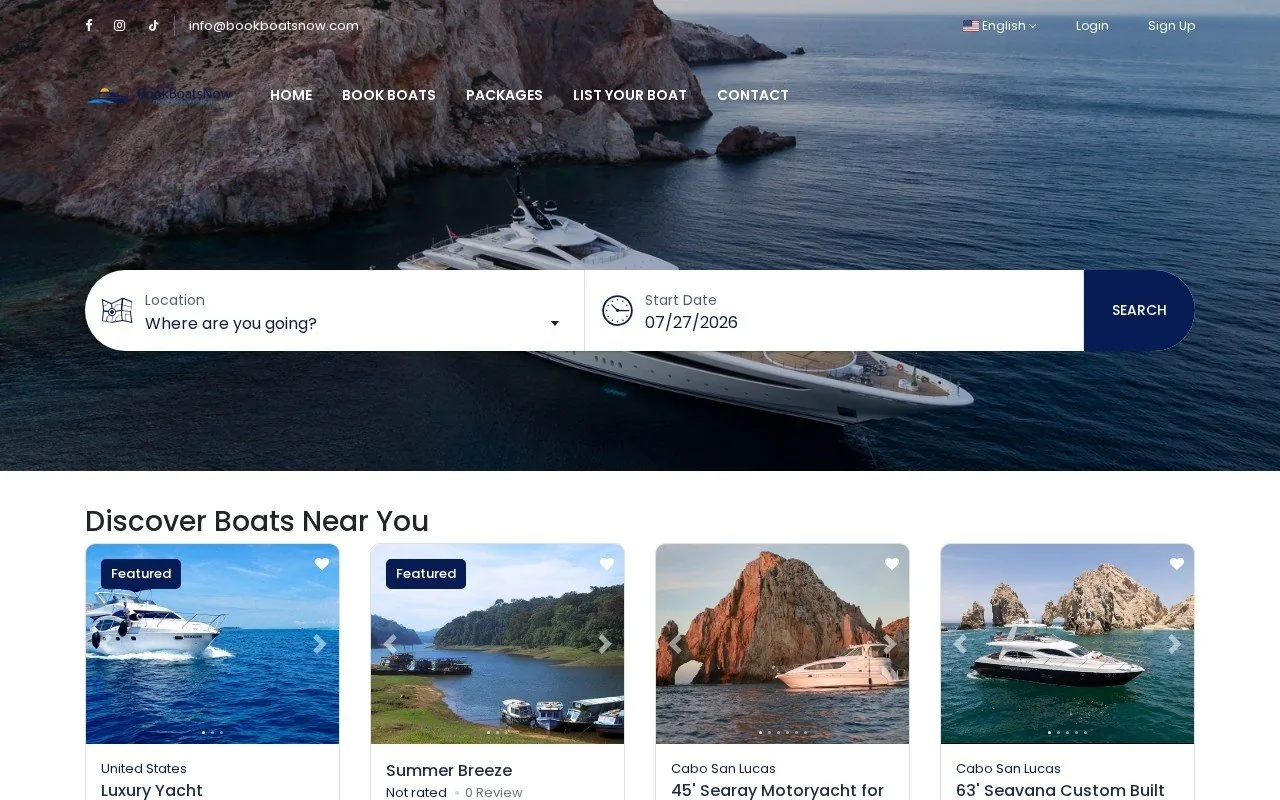
Miracuves: catalogue SEO across 3,000+ URLs
Large filter and catalogue surfaces created duplication and crawl waste. Canonical and indexation rules, faceted-navigation controls, breadcrumb structured data and programmatic internal linking fixed it.
Search engineering,
end to end.
26 services across SEO, digital marketing and web development, run by the people who sign the work.
All services
+340%
organic patient growth for Dermacian, a dermatology clinic
Markets where
accuracy is the job.
Each market has its own review standards, page types and measurement limits. We plan around them from day one.
All industries
Healthcare & MedTech
Clinical review, accurate provider facts, proportionate claims.
FinTech
Fees, rates and the regulated entity stated plainly and dated.
B2B SaaS
Category, use-case, integration and security pages with distinct jobs.
Ecommerce & marketplaces
Rules for filters, stock states, sellers and reviews.
Legal & law firms
Jurisdiction, attorney involvement and advertising rules.
24 free tools.
No signup.
Can AI search quote your page? Paste a URL and the extractability checker scores it against nine structural checks.
All 24 toolsAI search 8
Technical 9
Entity 4
Local and global 3
Named people.
Published method.
Sakshi Kumari and Ashish Khan run MoxSEO's search work and sign the research they publish.
Meet the teamEcommerce SEO services decide which categories, products and filter pages deserve to rank, then make the catalogue support them: category architecture mapped to demand, faceted-navigation rules, product templates and schema, and out-of-stock handling that keeps earned equity. We measure the result in organic revenue by category. Plans start at $799 a month.
Reviewed by Sakshi Kumari, SEO specialist at MoxSEO. Last reviewed 19 October 2026.
Canonical/womens/running-shoes/?sort=popular
Expected/womens/running-shoes/
Filters, variants, discontinued products, duplicate descriptions and changing inventory dilute crawl attention and split relevance. Ecommerce SEO is a catalogue-allocation problem: each search need should map to one useful page.
?colour= &size= &sort=Every filter combination becomes a crawlable URL. Only the ones with distinct demand and enough inventory deserve a stable, indexable page.
/sale/x/ /womens/x/ /collections/x/Overlapping categories target the same search, so none of them wins it.
category templateA product grid with one sentence of copy has nothing to rank on for category searches.
?variant= manufacturer copyVariant parameters and copied manufacturer text create near-duplicates unless a variant has its own purchasable intent.
404 302 soft 404Out-of-stock and discontinued products get deleted or redirected at random, throwing away links and rankings they earned.
sessions ≠ revenueOrganic growth that doesn't reflect profitable categories looks good in a report and does little for the business.
Eight workstreams, each with a rule your catalogue can keep following as products and filters change. The written scope picks the order.
| Deliverable | What it covers | Touches |
|---|---|---|
| Catalogue search diagnostic | Templates, parameters, inventory states, demand groups and current organic contribution mapped, with crawl logs and index coverage where available. | crawllogsSearch Console |
| Category demand mapping | Search intent and commercial value turned into category, subcategory and landing-page decisions, grouped by product type, attribute, use case and buying stage. | taxonomycategory map |
| Faceted navigation control | Filters and parameter combinations governed through linking, canonicals, robots rules and indexation, written up as a faceting policy. | rel=canonicalrobotsparameters |
| Product page systems | Reusable standards for titles, descriptions, media, variants, availability and specifications. We set standards and write priority content, not near-duplicate text written only to raise word count. | product templatevariants |
| Product and Merchant schema | Product, Offer, AggregateRating and BreadcrumbList markup checked against the product feed, so rich results and Merchant listings get complete data. | ProductOfferfeed |
| Internal discovery | Navigation, breadcrumbs, related products and editorial links designed to spread relevance and help shoppers reach the right products. | menusbreadcrumbsrelated products |
| Inventory lifecycle rules | Out-of-stock, discontinued, replaced and seasonal products handled by rule: retain, substitute, redirect or retire, based on return likelihood and earned equity. | 301410availability |
| Revenue-aware measurement | Organic performance by category with margin context, non-brand product discovery, valid indexed catalogue coverage and new-customer demand. | GA4category cohorts |
We work by template and URL cohort, so the program scales without anyone reviewing every product by hand. Each change is measured on its cohort before it rolls out further.
Map templates, parameters, inventory states, demand groups and current organic contribution.
Decide which URLs deserve discovery, consolidation, canonicalisation or removal from crawl paths.
Ship content, schema, navigation and performance changes across priority category and product cohorts, coordinated with merchandising.
Compare affected categories and products against suitable baselines before expanding a change.
Timelines are typical for a mid-size catalogue and get confirmed in the written scope. They are not a guarantee.
The same problems, solved at scale.Duplicate paths, faceted navigation and indexation sprawl look the same on a software catalogue, a marketplace or a store.

Large filter and catalogue surfaces created duplication and crawl waste. Canonical and indexation rules, faceted-navigation controls, breadcrumb structured data and programmatic internal linking fixed it.

Destination architecture and supply information without thin, interchangeable pages. Top-3 rankings reported for selected destination queries.
Published starting points, not fixed quotes. Final scope depends on platform, catalogue size, markets and who implements, and a written proposal sets the actual fee.
A focused starting scope for one clear priority and a smaller catalogue.
A broader program for teams that need recurring execution across categories and templates.
A custom scope for larger catalogues, multiple markets or several stakeholder groups.
No plan includes guaranteed rankings, traffic or revenue. On Shopify? See Shopify SEO pricing.
Five questions that show whether an agency understands catalogues or just runs page-level SEO.
Listen for demand, inventory depth and a written faceting policy. "Noindex all parameters" and "index everything" are both red flags.
A good answer depends on return likelihood, substitutes and earned equity, with a rule for each inventory state.
Large catalogues need template-level standards and cohort testing. Page-by-page work doesn't scale.
Often. Category names, navigation, filters and internal links touch trading decisions, so ask how they coordinate with your merchandisers.
Ask for organic revenue by category and valid indexed products, not just rankings and sessions.
Four free tools that answer catalogue questions in minutes. No sign-up.
Question not here? Strategy calls are with Sakshi Kumari or Ashish Khan, the SEO specialists who run MoxSEO.
contact@moxseo.comA catalogue diagnostic, category demand mapping, faceted-navigation and indexation rules, product page standards, product schema, internal linking, rules for out-of-stock and discontinued products, and reporting on organic revenue by category.
Yes. We work by template and URL cohort, so the program scales without reviewing every product manually.
The action depends on return likelihood, substitutes, demand and earned equity. We define a rule for each inventory state: keep the page, point to a substitute, redirect, or retire it.
Only some. A filter combination earns an indexable page when it has distinct search demand, enough inventory and a stable URL. The rest stay usable for shoppers but out of the index.
We define scalable standards and can produce priority content, but we avoid near-duplicate text created only to increase word count.
Often. We coordinate category naming, navigation, filters and internal links with trading teams.
When organic sales are falling, products do not appear in search, the store depends heavily on paid ads, you are redesigning or migrating, the catalogue is large or changes often, or category pages do not rank.
A consultant suits teams with their own developers and marketers who need an audit, a roadmap, an independent review or help with a migration. An agency suits stores that need ongoing implementation across technical SEO, content and authority, with regular reporting. Some consultants implement and some agencies only advise, so confirm the scope in writing.
Our published plans start at $799/month (Catalog Starter), $1,499/month (Marketplace Scale) and $2,999/month (Omnichannel Program). Shopify stores have their own packages from $749/month. The final fee is set in a written proposal.
Bring your platform, feed, categories and constraints. In a free 30-minute call, Sakshi Kumari or Ashish Khan, the specialists who run MoxSEO, identify the highest-impact cohort to investigate before we propose any scope.
A call is not an engagement. Ecommerce SEO plans start at $799 a month, and we never guarantee rankings.